Silicone gel is a very unique organosilicon material. After cross-linking and curing, it forms a quasi-solid gel that is softer than ordinary silicone and has a naturally tacky surface. You can think of it as a substance between jelly and modeling clay, and after curing it can even self-repair. In terms of chemical composition, it is usually also composed of two-component addition-cure silicone, A and B, with no small molecule release during curing and extremely low volume shrinkage. Its most core characteristic lies in its extremely low cross-link density.
Contact UsThe core properties of silicone gel stem from its extremely low crosslink density, which makes it an exceptionally soft, naturally tacky, and self-healing quasi-solid material. Its hardness is typically measured by penetration, and its modulus is extremely low, allowing it to perfectly conform to fragile electronic components and generate almost no thermal stress under severe temperature changes, thereby effectively preventing solder joints or chips from cracking. At the same time, its surface maintains a permanently non-drying adhesion similar to a sticky note, allowing it to lightly adhere to various substrates without additional adhesive, yet it easily attracts dust, and after being punctured or torn, it can slowly self-heal, providing great convenience for component rework.
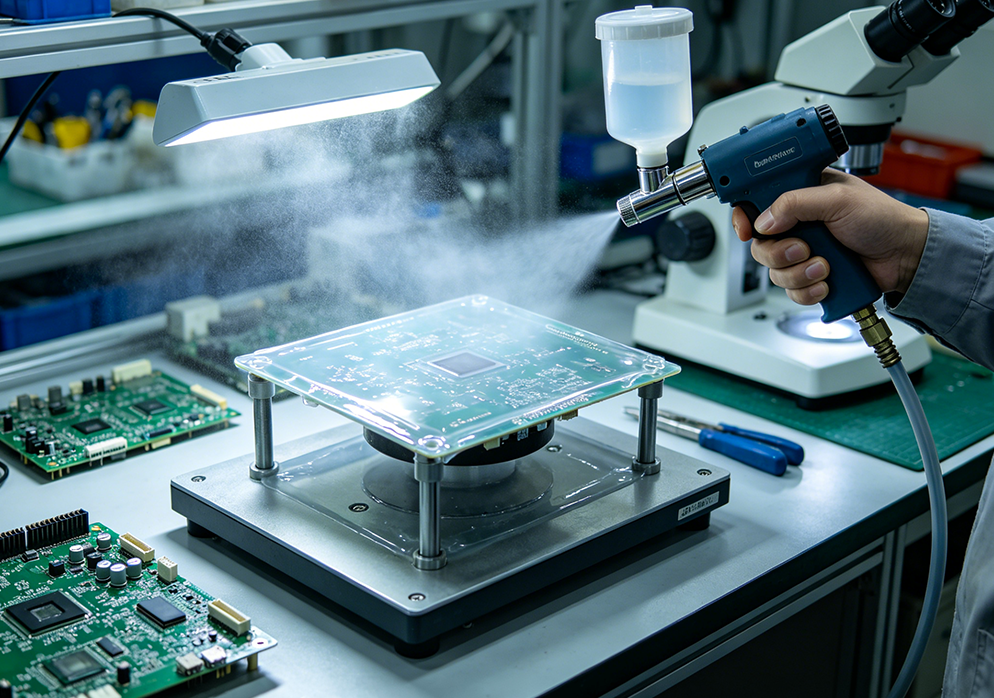
??Stress protection for precision electronic components: Such as coating for chips, solder joints, and circuit boards in automotive ECUs and ADAS sensors, preventing damage from vibration and thermal shock.
??Encapsulation of sensitive components: Used for MEMS sensors, optocouplers, etc., providing stress-free, breathable moisture protection.
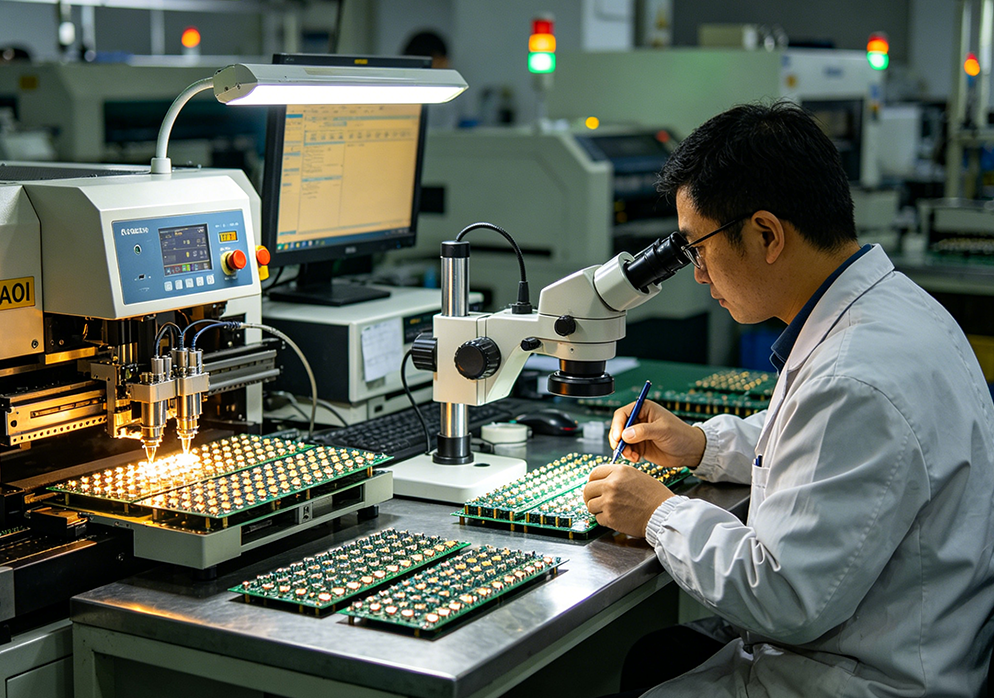
??Encapsulation of flexible LED light strips: Providing high flexibility and high light transmittance.
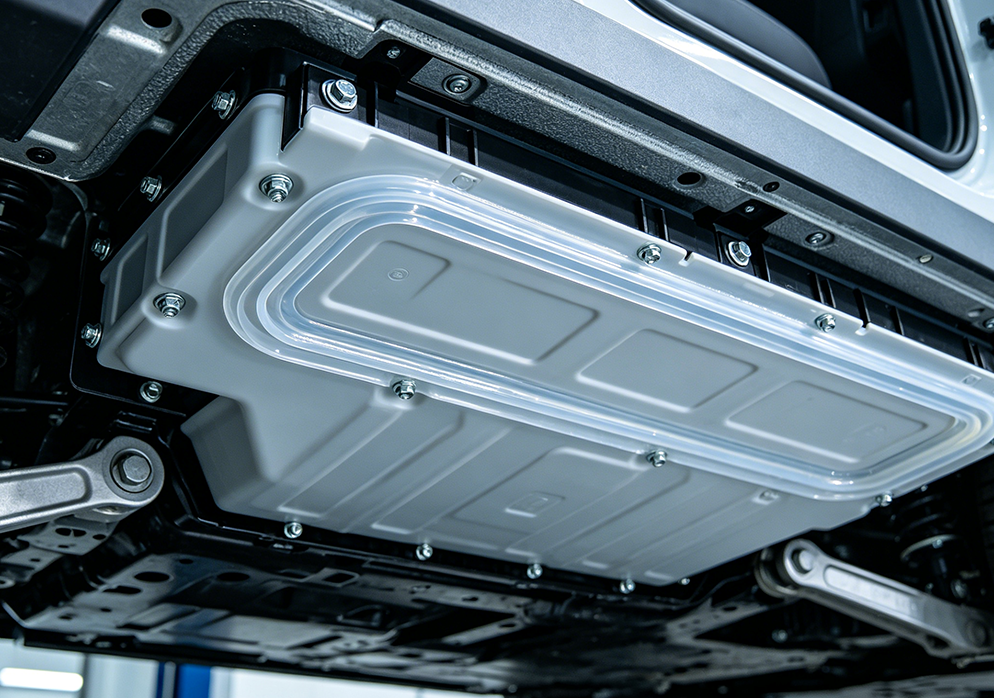
??Potting of power modules: Used for potting protection of IGBT modules in new energy vehicle OBCs and inverters, etc.