Silicone structural adhesive is an elastomeric adhesive of the room-temperature vulcanizing or heat-curing type, formulated with α,ω-dihydroxypolydimethylsiloxane as the base polymer, combined with crosslinking agents, fillers, and other components. Its molecular backbone consists of siloxane bonds (Si-O-Si), and after curing it forms a soft elastomer that maintains excellent elasticity and sealing capability across the entire temperature range. It is mainly used in structural bonding and sealing applications with stringent requirements for weather resistance, high and low temperature resistance, and long-term displacement deformation.
Contact UsThe core advantage of silicone structural adhesive lies in its unparalleled high and low temperature resistance range (typically -60℃ to 250℃) and excellent resilience, allowing it to withstand expansion, contraction, and vibration over the long term without losing adhesion or cracking. At the same time, it has an extremely long weather-resistant lifespan against ozone, UV, and humid heat, stable electrical insulation, good adhesion to substrates such as glass, metal, and ceramics, and because of its low modulus, it causes almost no stress damage to substrates.
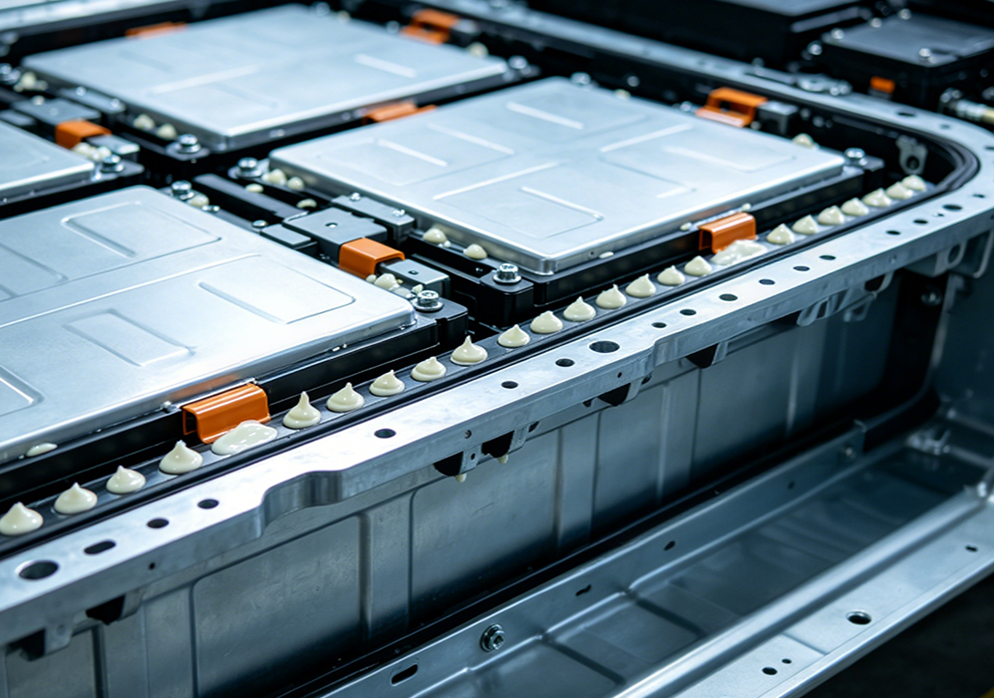
??Photovoltaics and New Energy: Sealing of solar module frames and bonding of junction boxes, waterproof sealing and elastic cushioning fixation of power battery pack enclosures.
??Aerospace: Pressure-resistant sealing inside aircraft cabins, elastic bonding of aviation glass and window frames, adapting to extreme high-altitude temperature differences.
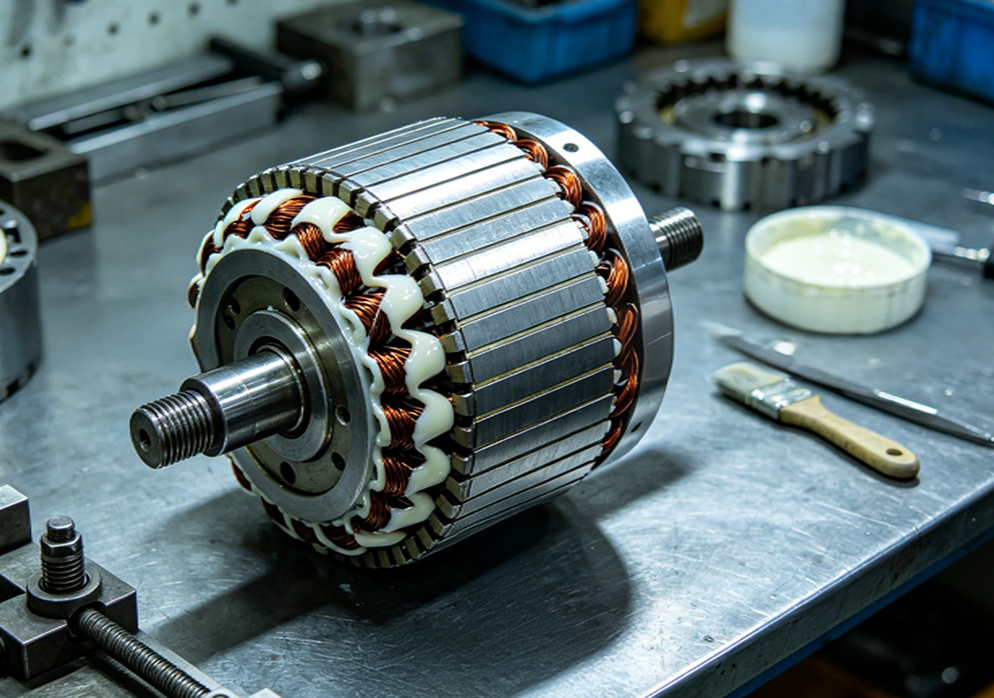
??Electronics and Electrical Appliances: Thermal conduction and sealing bonding of high-power power supply modules, overall waterproof potting of outdoor displays and sensors.
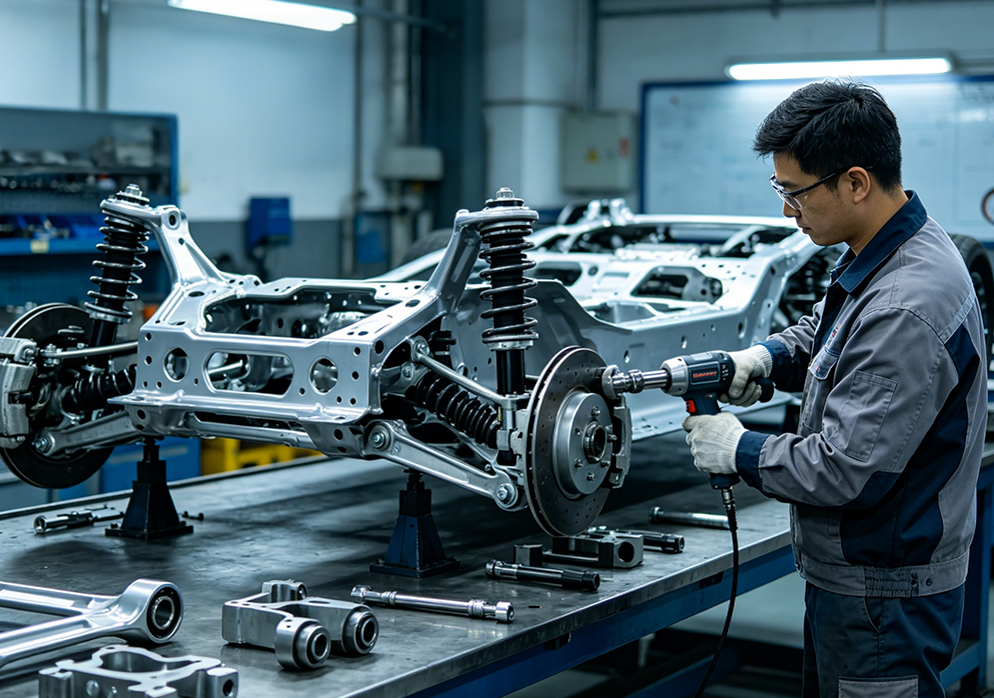
??Industrial Manufacturing: Sealing and bonding of high-temperature ovens and pipeline flanges, fixation and insulation protection of heating components in home appliances.
?