Epoxy structural adhesive is a high-strength engineering adhesive based on epoxy resin, combined with curing agents, toughening agents, fillers, etc. It cures through chemical reaction rather than solvent evaporation, forming a three-dimensional crosslinked network structure after curing. It can achieve excellent bonding for metals, ceramics, glass, wood, and most hard plastics. While withstanding high loads, it also provides sealing, insulation, temperature resistance, and other properties. It is one of the core materials in fields such as aerospace, automotive manufacturing, electronic packaging, and building reinforcement that replace welding and mechanical fastening.
Contact UsThe core advantage of epoxy structural adhesives lies in their ability to provide extremely high tensile shear strength and peel strength after curing, while also offering excellent chemical resistance, electrical insulation, and resistance to fatigue and creep. They exhibit extremely low curing shrinkage and can maintain structural integrity over a wide temperature range (typically -55°C to 150°C or even higher), making them a reliable permanent connection solution capable of load transfer.
??Aerospace: Bonding of aircraft fuselage skins, honeycomb sandwich structures, wing stringers and panels, replacing riveting to reduce weight and improve fatigue life.
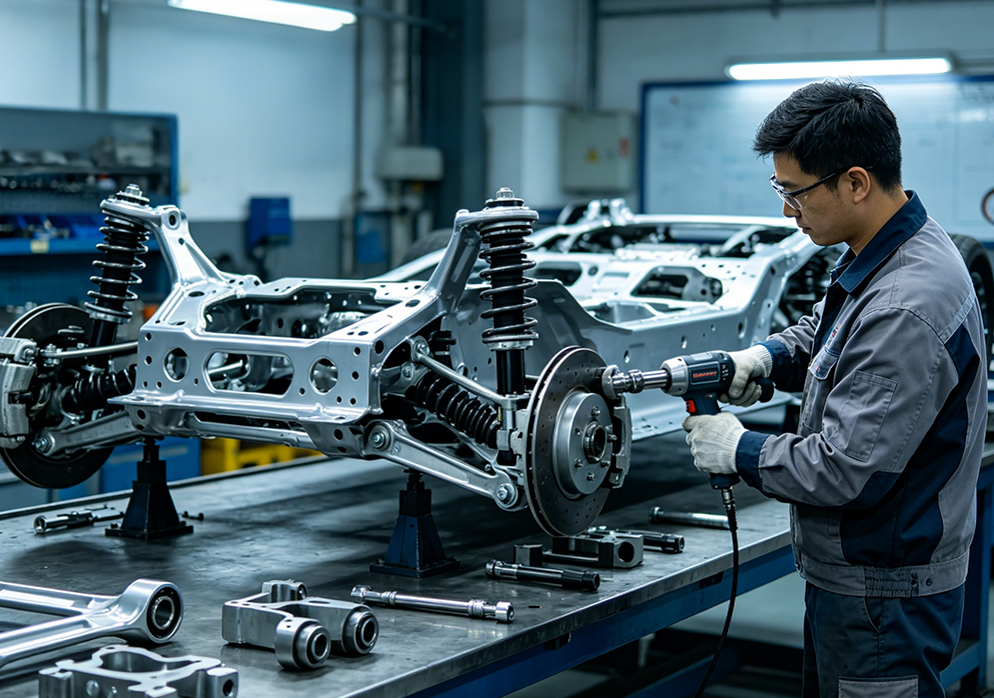
??Automotive Manufacturing: Bonding of aluminum alloy and carbon fiber composite structural components for lightweight vehicle bodies, as well as sealing of power battery PACK enclosures and cell fixation.
??Rail Transit: Bonding of high-speed train car body panels, roof reinforcement ribs and face panels, achieving smooth appearance and high strength.
??Wind Power Energy: Mold closure bonding of wind turbine blade upper and lower shells, and fixation of internal spar caps and shear webs within blades.
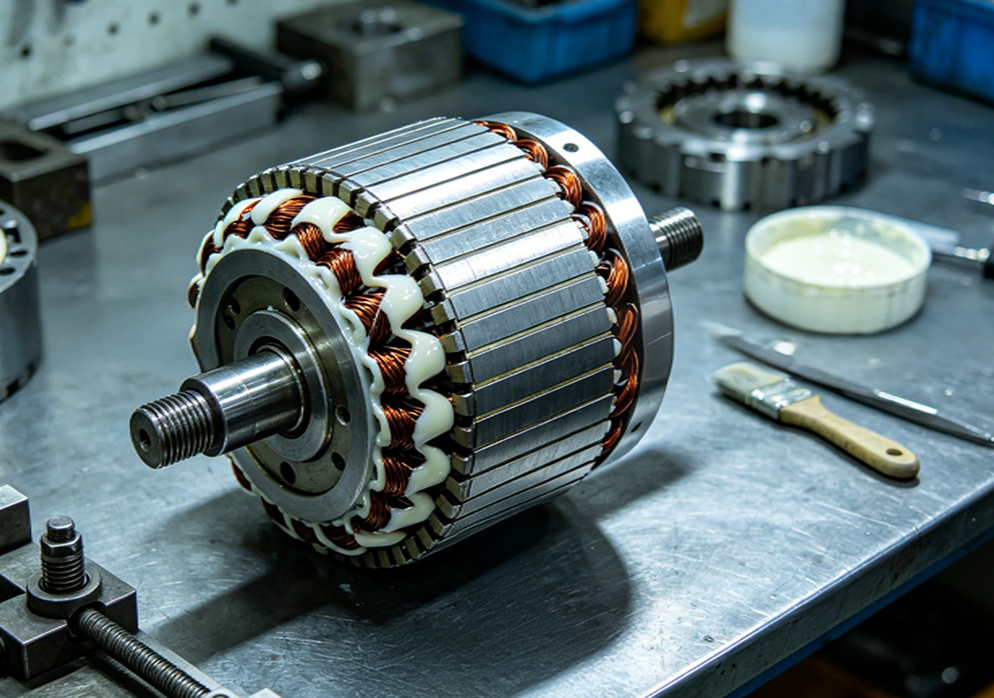
??Electronics and Semiconductors: Chip underfill, component mounting, sensor packaging, permanent fixation of thermal modules and structural components.
??Marine and Offshore Engineering: Bonding of lightweight bulkheads, decks and superstructures of ship hulls, with excellent salt spray resistance and impact resistance.
?