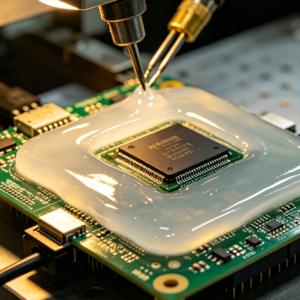
Two-component addition-curing encapsulant

A two-component addition-curing encapsulant is a silicone encapsulation material comprising two liquid components, A and B, which cure after being mixed in the correct proportions.

Product Description

Key Features

Combines excellent weather resistance, electrical insulation and the shock-absorbing properties of elastomers; The curing process does not release any low-molecular-weight by-products, has an extremely low shrinkage rate, and allows for deep vulcanisation; the elastomer formed after curing has a wide range of thermal conductivity values and can operate stably over the long term within a broad temperature range of –60 °C to 280 °C.

The curing rate is significantly affected by temperature; at room temperature, complete curing typically takes 6–24 hours, and heating can accelerate the curing process.

Typical Use Cases

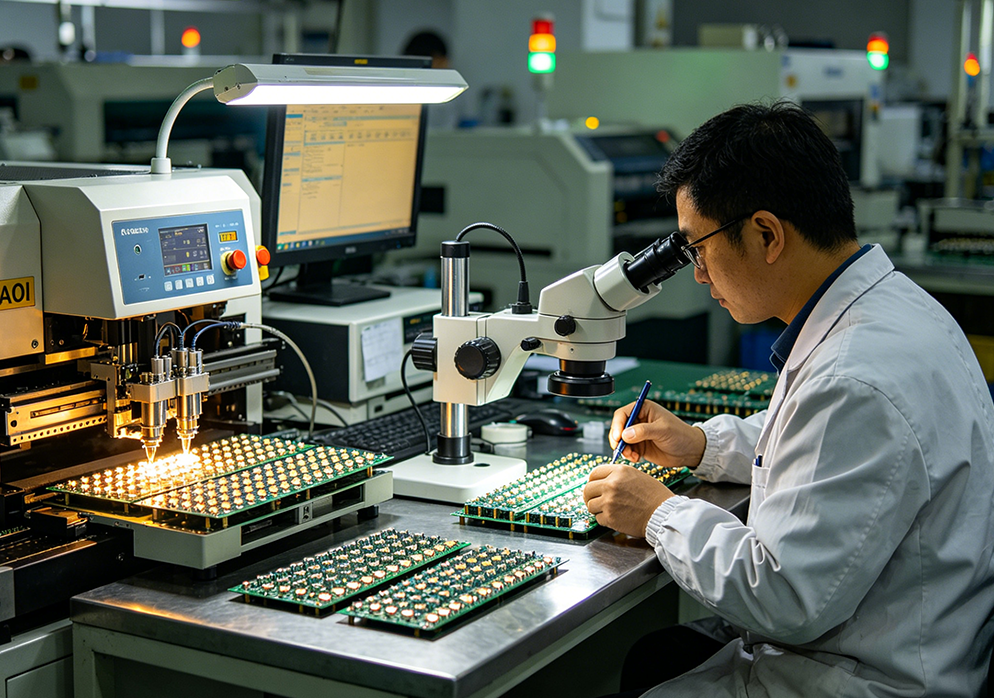
✅ Electronics and Electrical Appliances Sector

  • Encapsulation protection for high-heat-generating components such as HID lamp module power supplies and LED driver power supplies
  • Power electronic components such as transformers, reactors and inverters are potted to enhance their insulation performance and vibration resistance, thereby extending the service life of the equipment.

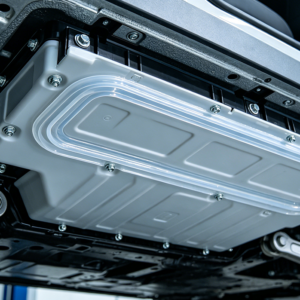
✅ The new energy vehicle sector

  • Used for potting battery management system (BMS) circuit boards to protect electronic components from vibration, moisture and corrosion, thereby ensuring the stable operation of the battery system.
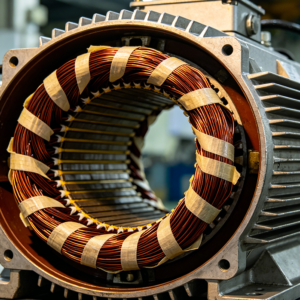
  • As a potting compound for motor controllers and on-board chargers (OBCs), it is suited to complex operating environments characterised by high temperatures and vibration, ensuring reliable heat dissipation from power components.

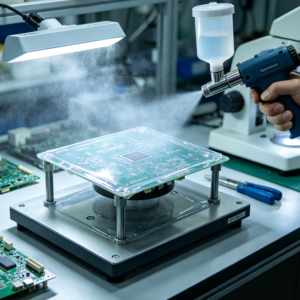
Electronic components

  • Precision electronic components such as sensors and transmitters are potted to provide waterproof, dustproof and shock-resistant protection, thereby enhancing the reliability of the equipment in harsh environments.