Conformal Coating
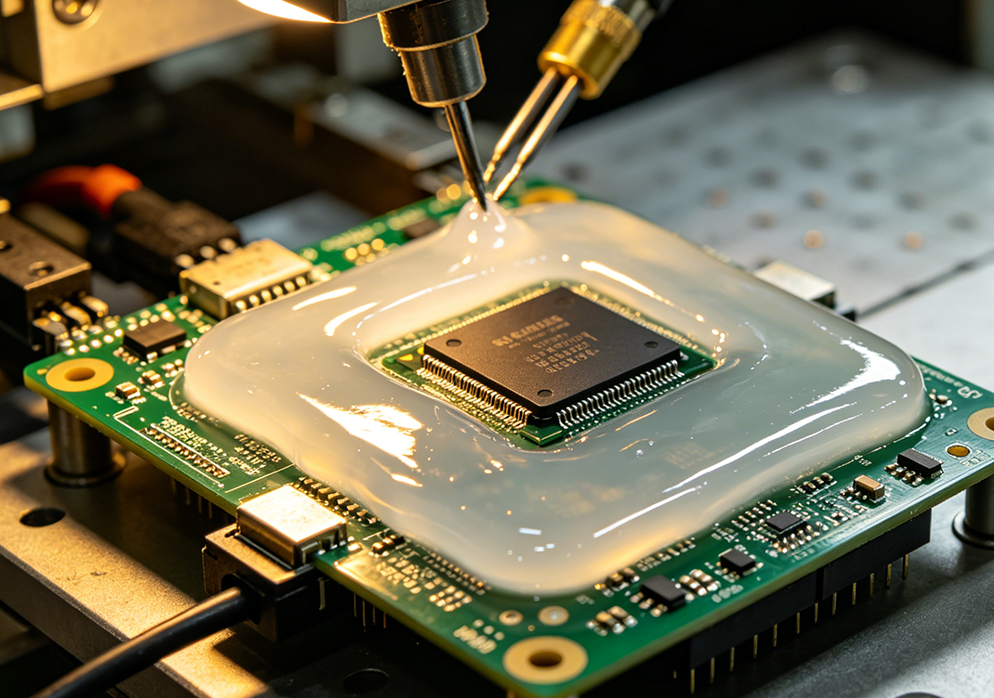
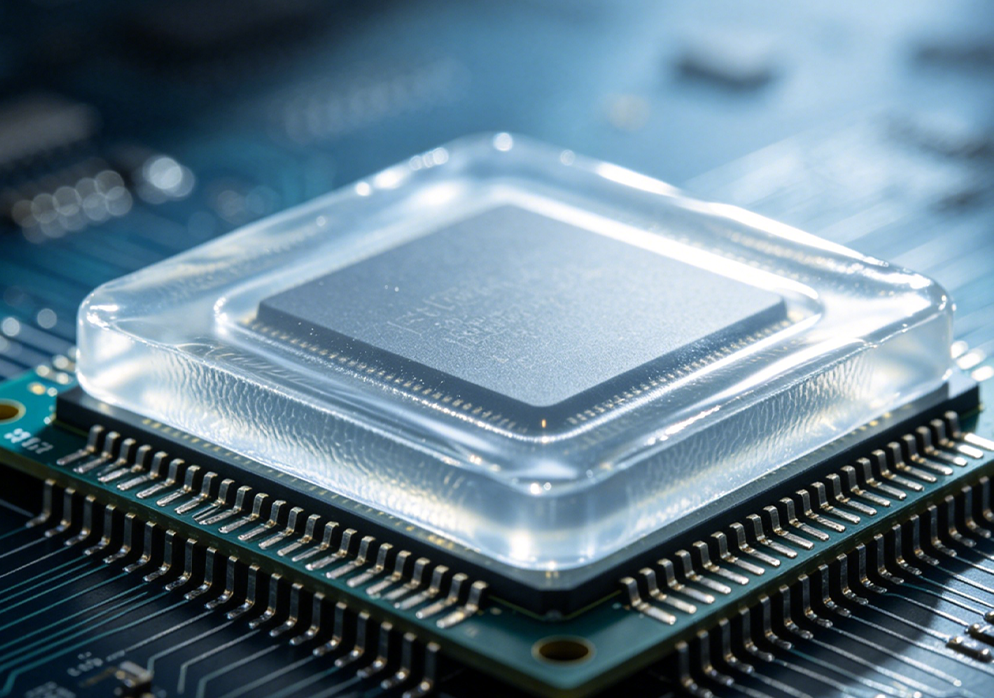
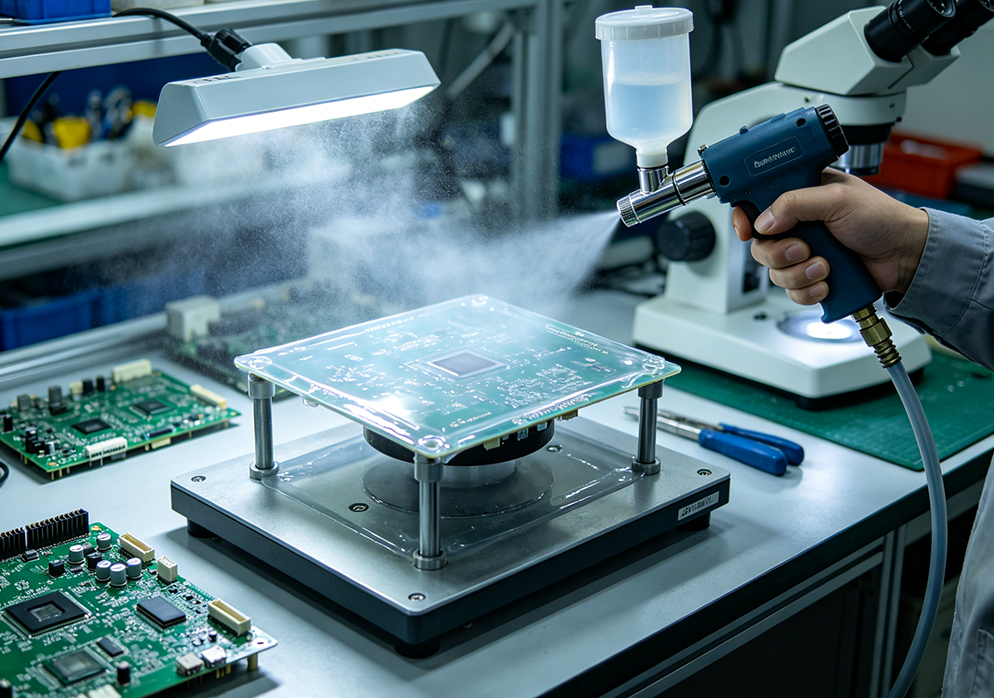
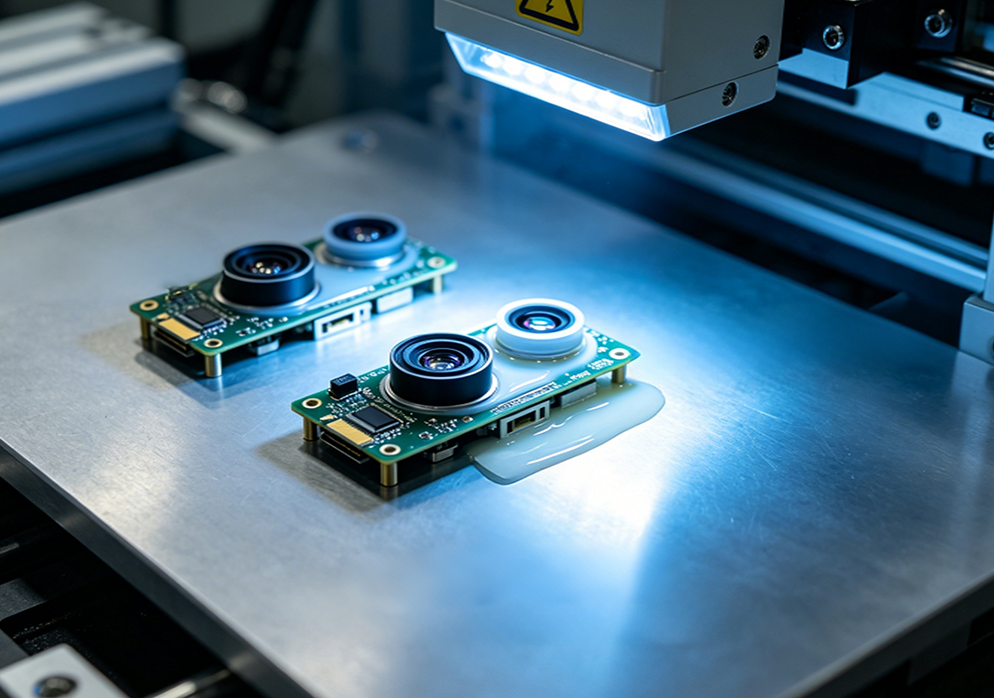
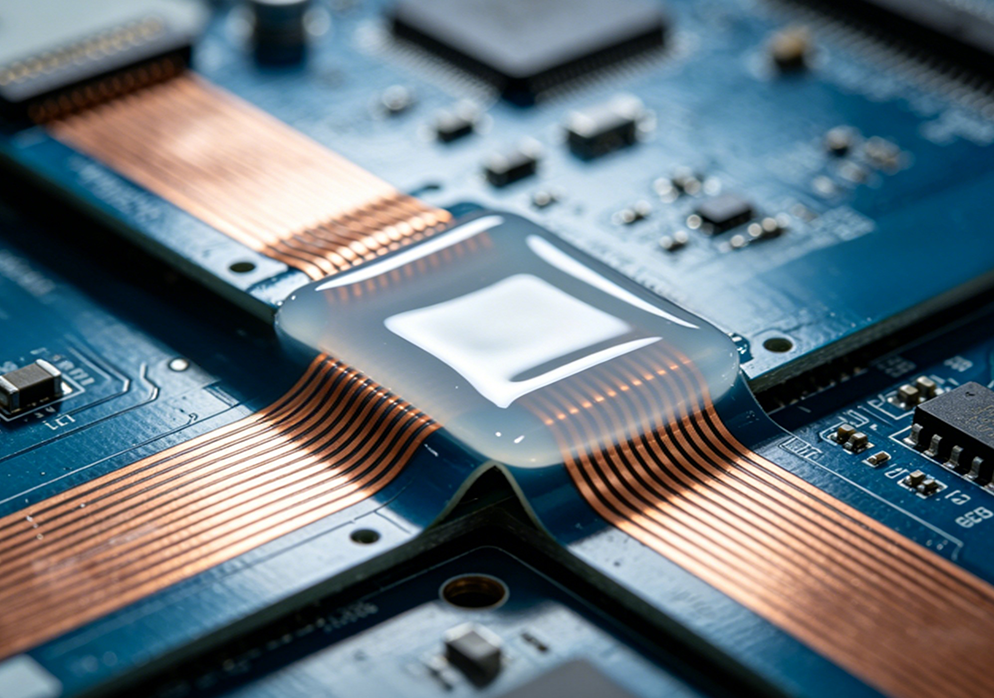
Conformal coating is a specialised protective coating applied to the surfaces of printed circuit boards (PCBs) and electronic components. Its primary function is to form a transparent or semi-transparent film on the surface of the circuit board, thereby providing “three-proof” protection for electronic components. This film effectively resists moisture condensation, corrosion from acids, alkalis and salts, fungal growth, and, to a certain extent, dust contamination and chemical erosion, thereby significantly enhancing the reliability and service life of electronic equipment in harsh environments.
Acrylate-based UV adhesive
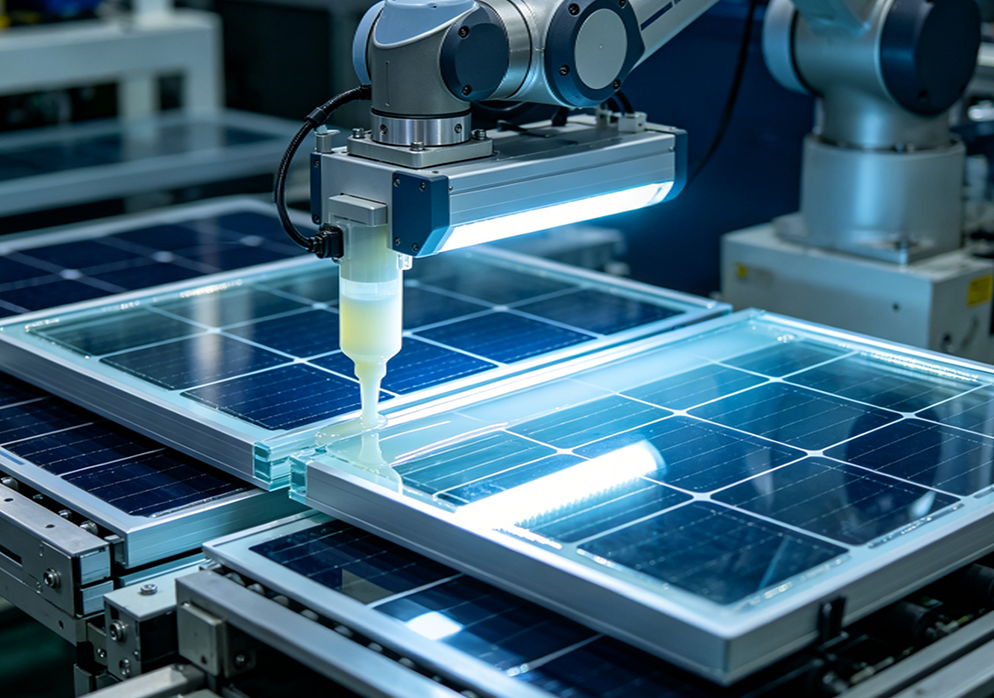
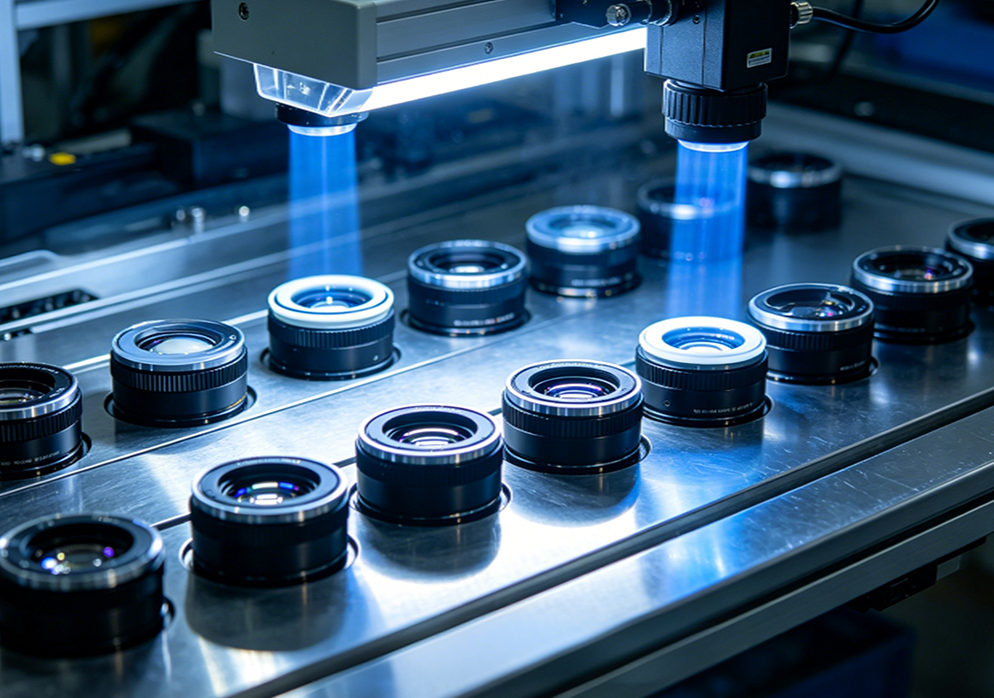
Acrylate-based UV adhesives are single-component, solvent-free adhesives formulated primarily from acrylate oligomers and reactive monomers, with the addition of a photoinitiator. It undergoes instantaneous polymerisation upon exposure to ultraviolet light, curing within seconds to form a transparent adhesive layer. Combining extremely fast production cycles with excellent bonding performance, it is a key material for achieving high-efficiency automation in precision industries.
Acrylate structural adhesive
Acrylate structural adhesive is a two-component, reactive adhesive formulated from acrylate monomers, elastomers, initiators and other components. It cures rapidly and exhibits strong adhesion to difficult-to-bond surfaces such as oily metals, engineering plastics and composite materials. It offers a structural bonding solution that combines high strength with excellent impact resistance, and is commonly referred to as “acrylic AB adhesive”.
Single-component UV-curing TUFFY adhesive
A single-component, solvent-free adhesive that cures upon exposure to ultraviolet light. The design focuses on toughening the resin system, typically through the copolymerisation of polyurethane acrylates or specific acrylate monomers, with the addition of toughening components such as core-shell particles. The cured adhesive layer no longer exhibits the traditional brittle, glass-like state, but instead displays semi-rigid or flexible characteristics, offering extremely high peel strength and impact resistance, and is capable of reliably bonding a wide range of substrates, including plastics, metals and glass.
Single-component addition-curing sealant
A one-component addition-curing sealant is a single-component sealing material that cures via an addition reaction using a silicone matrix; it requires no additional curing agent and can cure either when heated or at room temperature.
Single-component room-temperature curing adhesive
Single-component, room-temperature-curing silicone is an organic silicone material that requires no additional curing agent; it cures upon contact with air at room temperature by absorbing moisture from the atmosphere.
Single-component, room-temperature thermal adhesive
Single-component, room-temperature thermal conductive adhesive is a functional adhesive with a silicone matrix and high thermal conductivity; it requires no additional curing agent and cures upon contact with moisture in the air at room temperature.
Two-component addition-curing encapsulant
A two-component addition-curing encapsulant is a silicone encapsulation material comprising two liquid components, A and B, which cure after being mixed in the correct proportions.
Two-component condensation-curing encapsulant
Two-component condensation-curing encapsulant consists ofResin A (base resin) 和Part B (hardener) It consists of two parts; mix them thoroughly in the specified ratio before use.
Thermal grease
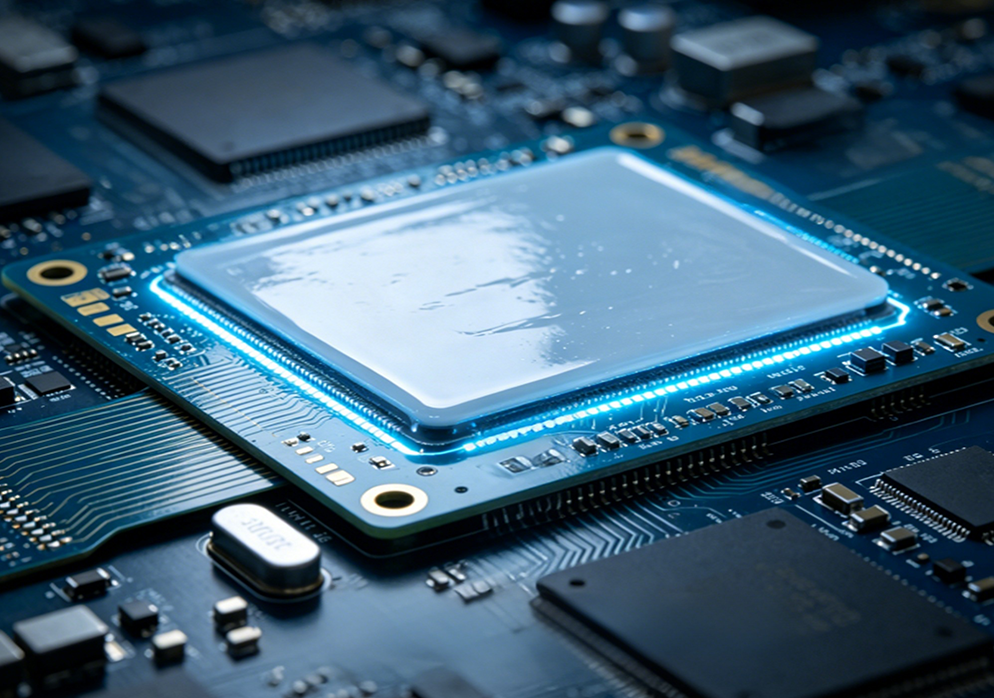
Thermal grease is a paste-like thermal interface material produced by grinding and compounding a base oil of speciality silicone oil with inorganic fillers that offer high thermal conductivity and high-temperature resistance. Its fundamental design principle is not to act as the primary heat conductor itself, but rather to utilise its soft, paste-like consistency to to fully fill the microscopic depressions and gaps—invisible to the naked eye—between the heat-generating component and the heat sink under assembly pressure. This displaces the air—which has a thermal conductivity of only approximately 0.026 W/(m·K)—thereby establishing a highly efficient heat transfer pathway based on the material’s own thermal conductivity, and consequently significantly reducing the interfacial thermal resistance.
Silicone structural adhesive
Silicone structural adhesives are room-temperature vulcanising or heat-curing elastomeric adhesives composed of hydroxyl-terminated polydimethylsiloxane as the base polymer, combined with cross-linking agents, fillers and other components. Their molecular backbone consists of siloxane bonds (Si-O-Si); upon curing, they form a flexible elastomer that maintains excellent elasticity and sealing performance across the entire temperature range. They are primarily used in structural bonding and sealing applications where stringent requirements for weather resistance, resistance to high and low temperatures, and long-term movement and deformation are essential.
Epoxy-based UV adhesive
Epoxy-based UV adhesive is a cationic light-curing system; it is a single-component adhesive formulated with epoxy resin or modified epoxy oligomers as the matrix, combined with initiators such as photo-generating acid agents. When exposed to ultraviolet light, it generates active cations that initiate the ring-opening polymerisation of the epoxy groups, thereby curing the adhesive. It combines the efficiency of light-curing—with “second-level setting”—with the high strength and low shrinkage characteristics of epoxy resins, making it another important choice for high-end, precision light-curing bonding applications.
Epoxy structural adhesive
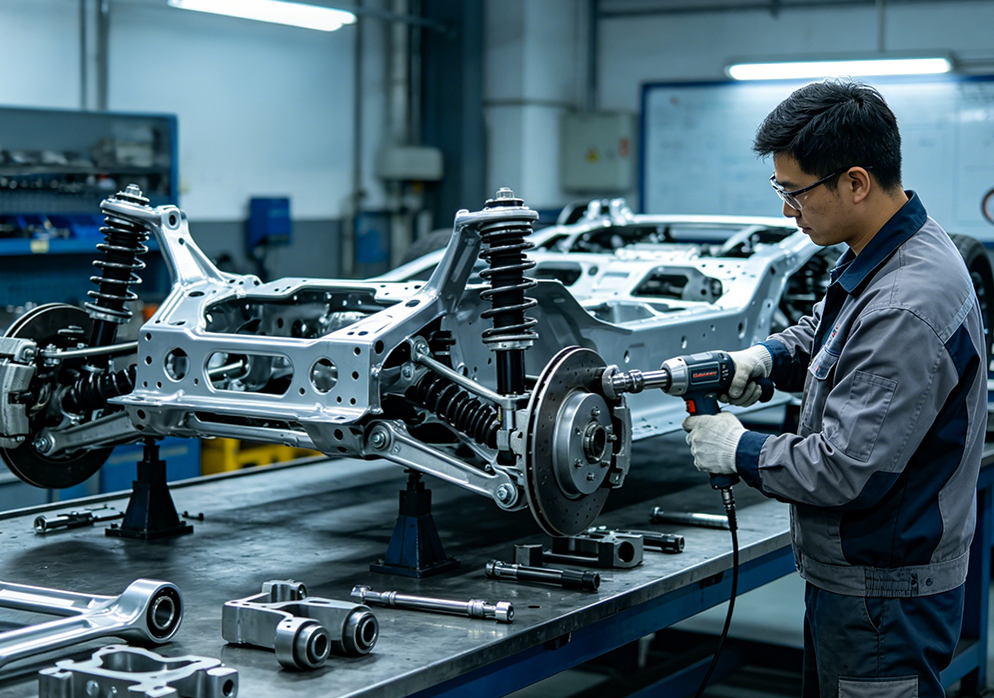
Epoxy structural adhesive is a high-strength engineering adhesive composed of an epoxy resin matrix combined with a curing agent, toughening agents, fillers and other components. It cures through a chemical reaction rather than solvent evaporation, forming a three-dimensional cross-linked network structure upon curing. It provides excellent adhesion to metals, ceramics, glass, timber and most rigid plastics. Whilst withstanding high loads, it also offers properties such as sealing, insulation and temperature resistance, making it one of the key materials used to replace welding and mechanical fastenings in sectors such as aerospace, automotive manufacturing, electronic packaging and structural reinforcement.
Silicone gel
Silicone gel is a highly unique organosilicon material; once cross-linked and cured, it forms a semi-solid gel that is softer than ordinary silicone and has a naturally tacky surface. You might think of it as a substance somewhere between jelly and modelling clay; once cured, it is even capable of self-repair. Chemically speaking, it is typically composed of a two-component (A and B) addition-curing silicone system; it releases no small molecules during curing and exhibits extremely low volume shrinkage. Its most distinctive characteristic lies in its extremely low cross-linking density.
Polyurethane-based UV adhesive
Polyurethane-based UV adhesives are single-component, UV-curable adhesives formulated with a polyurethane-acrylate oligomer as the main component, combined with reactive diluents and photoinitiators. It combines the rapid setting characteristics of UV curing with the excellent flexibility and elasticity of polyurethane materials; once cured, the adhesive layer can be flexibly adjusted from extremely soft to semi-rigid, making it an ideal bonding solution for applications such as flexible electronics and wearable devices that require impact resistance and resistance to bending and flexing.
Polyurethane structural adhesive
Polyurethane structural adhesives are high-performance adhesives based on polyurethane prepolymers that cure through exposure to moisture or heat to form elastic polymers; once cured, they exhibit outstanding toughness and resistance to impact fatigue. They form strong bonds with a wide range of substrates, including metals, composite materials, engineering plastics, timber and concrete, whilst offering an adjustable modulus of elasticity that can range from semi-rigid to highly elastic. Consequently, it is particularly well-suited to applications requiring vibration damping, impact resistance and tolerance to deformation, and is one of the core adhesives used in sectors such as automotive manufacturing, construction assembly and composite material bonding.
High-insulation TUFFY rubber
High-insulation TUFFY adhesive is a specialised variant of the TUFFY adhesive range, developed to enhance electrical insulation properties whilst retaining the high toughness and impact resistance characteristic of the TUFFY family. It is designed to provide reliable structural bonding and stress absorption whilst simultaneously creating a high-impedance, breakdown-resistant electrical barrier to prevent electrical leakage and signal interference.