Silicone gel

Silicone gel is a highly unique organosilicon material; once cross-linked and cured, it forms a semi-solid gel that is softer than ordinary silicone and has a naturally tacky surface. You might think of it as a substance somewhere between jelly and modelling clay; once cured, it is even capable of self-repair. Chemically speaking, it is typically composed of a two-component (A and B) addition-curing silicone system; it releases no small molecules during curing and exhibits extremely low volume shrinkage. Its most distinctive characteristic lies in its extremely low cross-linking density.

Product Description

Key Features

The core properties of silicone gel stem from its extremely low cross-linking density, which makes it an exceptionally soft, naturally tacky and self-healing quasi-solid material; its hardness is typically measured by penetration resistance, It has an extremely low modulus of elasticity, allowing it to conform perfectly to fragile electronic components, and generates virtually no thermal stress under drastic temperature fluctuations, thereby effectively preventing cracks in solder joints or chips; At the same time, its surface maintains a lasting, non-drying adhesive force similar to that of a Post-it note, allowing it to adhere lightly to various substrates without the need for additional adhesives, although it does tend to attract dust. Furthermore, it is capable of slow self-healing following puncture or tearing, which greatly facilitates the rework of components.

Typical Use Cases

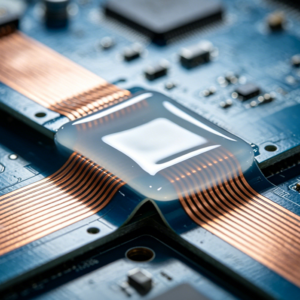
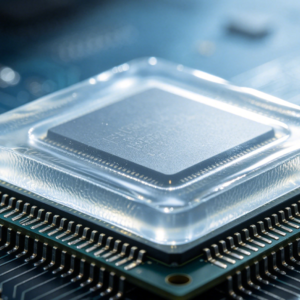
✅ Stress Protection for Precision Electronic Components: Such as the chips, solder joints and circuit board coatings in automotive ECUs and ADAS sensors, to prevent damage caused by vibration and thermal shock.

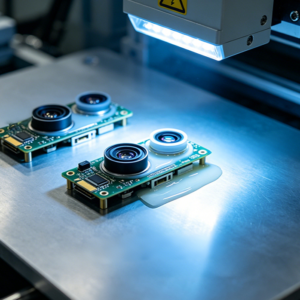
✅ Encapsulation of Sensitive Components: Used in MEMS sensors, optocouplers and similar devices, providing stress-free, breathable protection against moisture.

✅ Packaging of Flexible LED Strips: Offers high flexibility and high light transmittance.

✅ Potting of Power Modules: Used for potting protection of IGBT modules in OBCs and inverters for new energy vehicles.