Industry

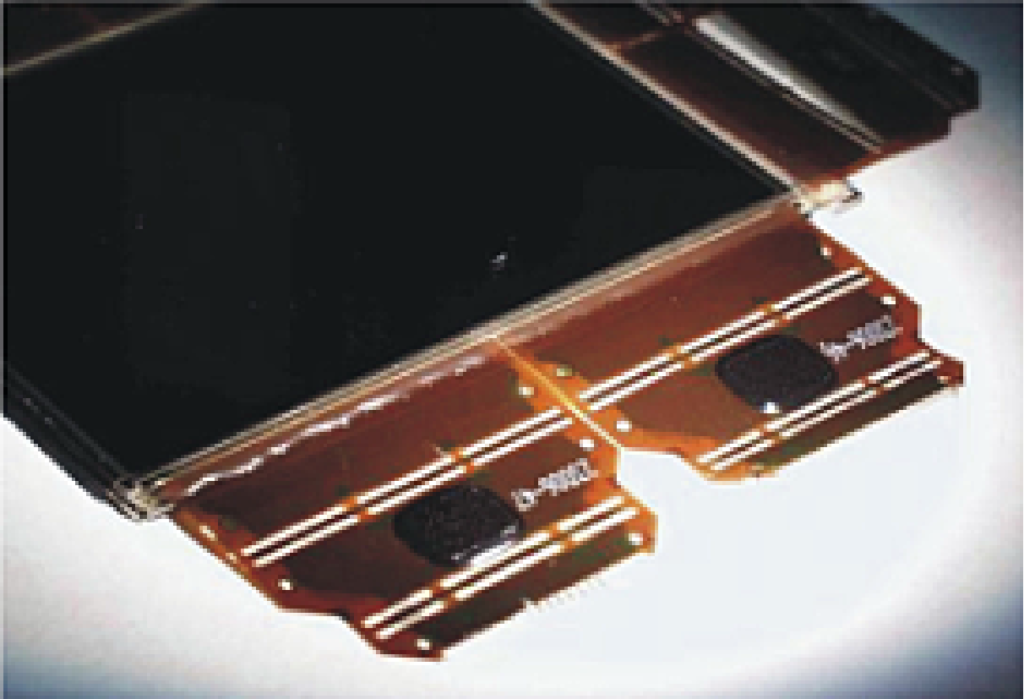
Sealing of flexible printed circuit boards (FPCs) for in-vehicle multimedia displays and touchscreens

Used for sealing flexible printed circuit boards (FPCs) in in-vehicle multimedia displays and touchscreens. The product offers high bonding strength, low internal stress and vibration resistance; it has passed dual 85°C tests and salt spray tests, and is resistant to thermal shock and high-low temperature cycling. It is low-halogen, environmentally friendly and low-volatile, and adheres well to components on FPCs and polyimide (PI) surfaces. It can also be used to reinforce, strengthen, provide vibration resistance and prevent solder joint oxidation at the soldering points of various touch control ICs; the product cures rapidly.

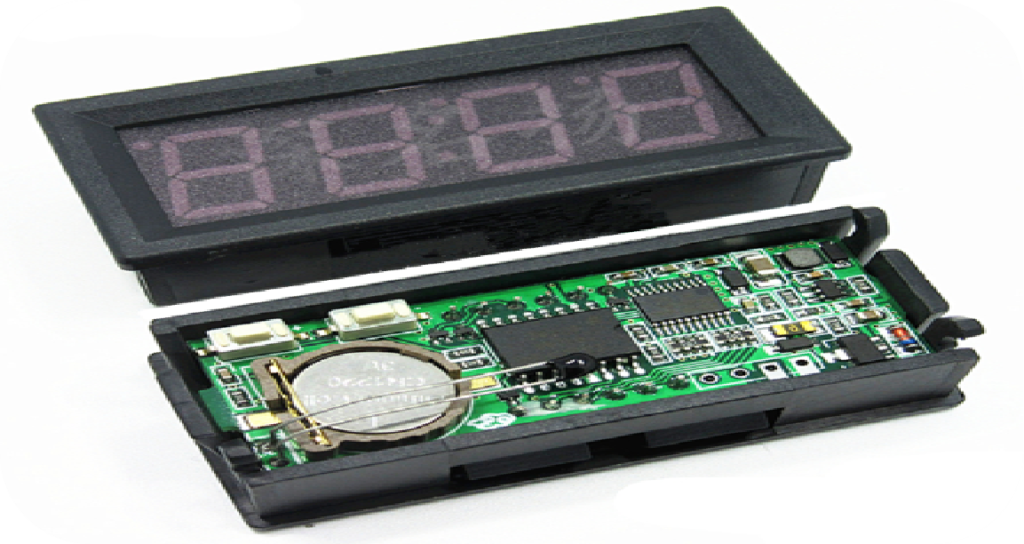
Transparent potting for in-vehicle multimedia displays, LED displays and control modules

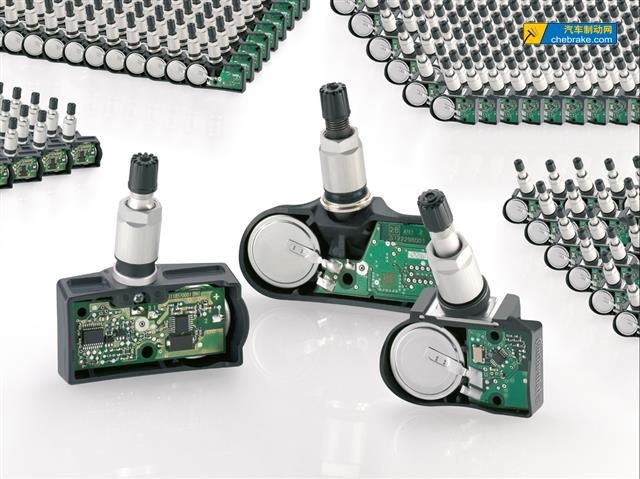
Adhesive sealing of sensors such as reversing sensors, smart Bluetooth door locks and buzzers

Used for insulating, shock-absorbing and sealing various in-vehicle sensors, such as reversing sensors, buzzers and tyre pressure sensors. Features: Single-component and easy to use, offering excellent adhesion, fixation, sealing, electrical insulation, moisture resistance, shock resistance and ageing resistance; provides good adhesion to most metal, plastic and alloy substrates; resistant to thermal shock at both high and low temperatures, with low internal stress and good crack resistance.

Encapsulation of sensors such as reversing sensors, smart Bluetooth door locks and buzzers

Used for the insulation, shock absorption and sealing of various in-vehicle sensors, such as reversing sensors, buzzers, Bluetooth RF components (including Bluetooth sensors in door handles and Bluetooth antennas), electronic accelerator pedals and tyre pressure sensors. The product offers moderate strength, good elasticity, and excellent performance in terms of adhesion, fixation, sealing, electrical insulation, moisture resistance, shock absorption and ageing resistance; It is chemically stable and offers good weather resistance, heat resistance and cold resistance; it adheres well to most metal, plastic and alloy substrates, and exhibits strong adhesion to the majority of materials. It demonstrates excellent resistance to thermal shock at both high and low temperatures, has low internal stress and good crack resistance.

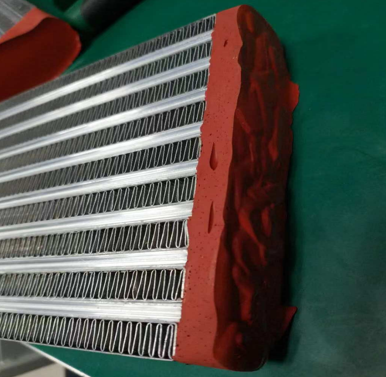
High-temperature-resistant potting compound for PTC heaters

For insulating potting of PTC electric heaters or other high-temperature-resistant power modules. The product bonds excellently to PTC metal casings, maintains good strength under prolonged high temperatures, and produces no by-products or odour at high temperatures once cured.

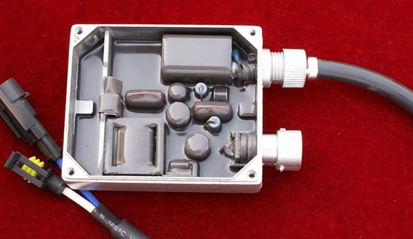
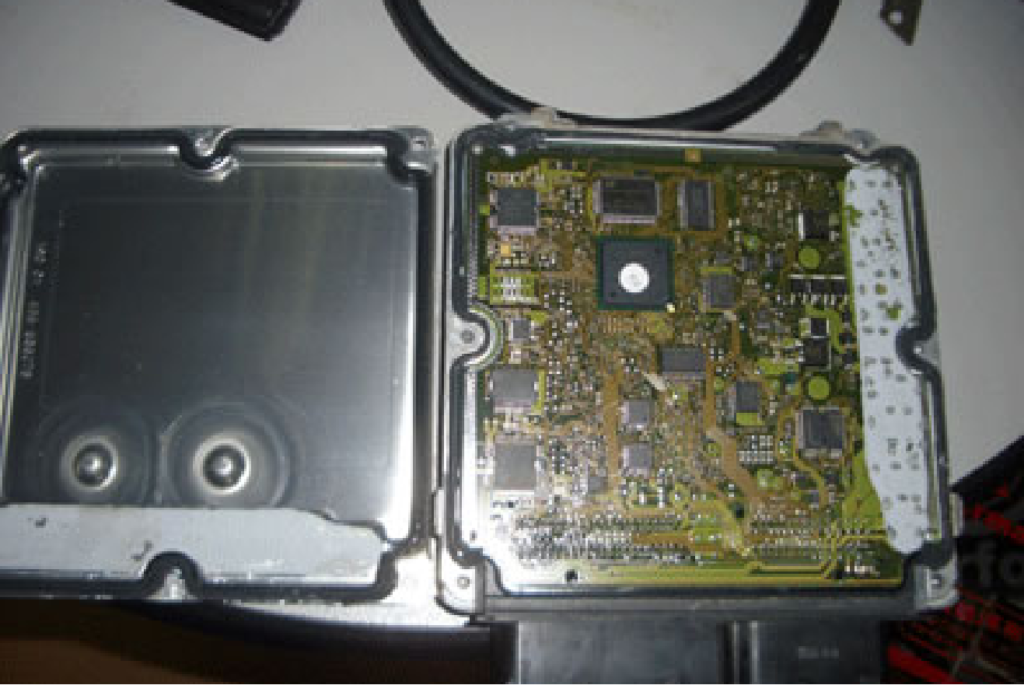
Two-component addition-curing potting compound for control modules and sensors

Used to protect various automotive electronic control modules, including the engine control module, HID headlight module, windscreen wiper controller, power supply system module, powertrain module, braking system module, exhaust emission control module, lighting system, various sensors, connectors and other components.

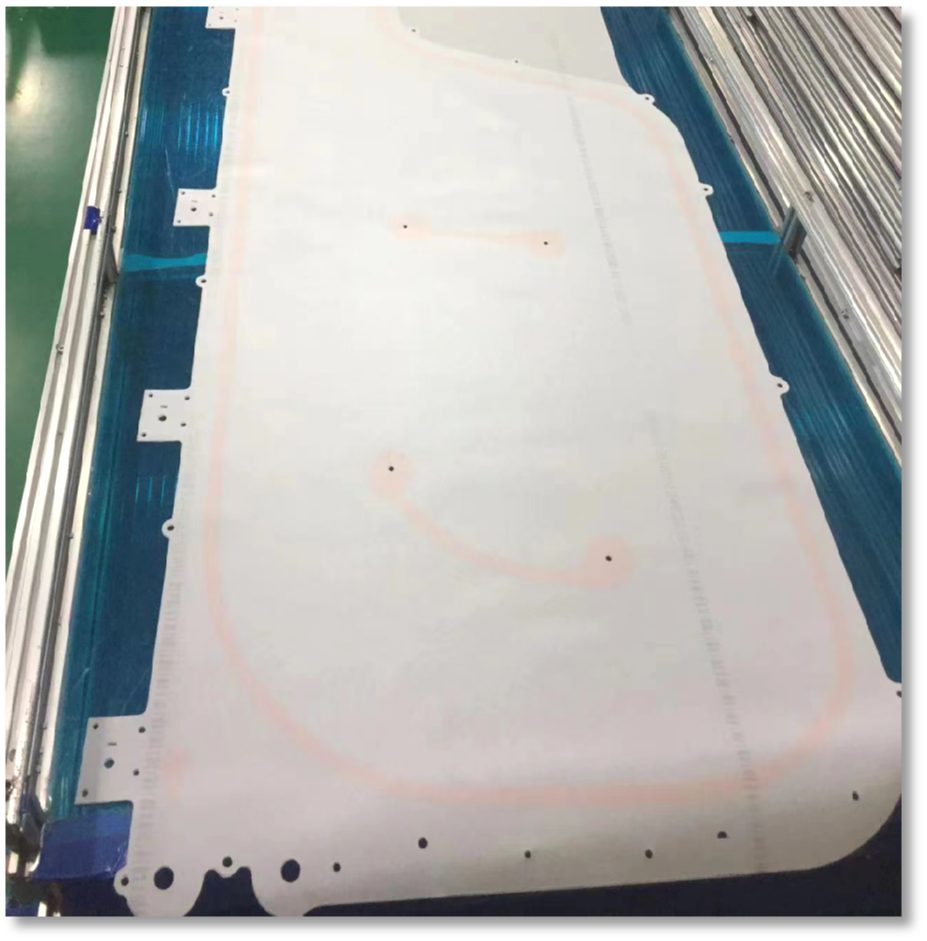
Sealant for automotive airbags

Provides excellent adhesive performance, such as peel strength and cohesive failure, when sealing joints or seams between two pieces of fabric. The first and second pieces are bonded together and then sewn with one or more stitches to provide sufficient mechanical strength. Seams are bonded using a silicone adhesive to ensure sufficient airtightness or pressure retention when the airbag deploys. Thermal conductive gel inherits the advantages of silicone materials, such as good compatibility, weather resistance, resistance to high and low temperatures, and excellent insulation properties. At the same time, it is highly malleable, capable of filling uneven interfaces and meeting heat transfer requirements across a wide range of applications. Compared to thermal pads, thermal conductive gel is softer and has better surface affinity; it can be compressed to a very low thickness, significantly improving heat transfer efficiency, and can be compressed to as little as 0.1 mm, at which point the thermal resistance ranges from 0.08 °C·in²/W to 0.3 °C·in²/W, matching the performance of some silicone greases. Furthermore, thermal conductive gel has virtually no hardness and does not induce internal stress in equipment after application. Compared to thermal pads, it adheres more easily to joint surfaces; compared to thermal grease, it offers better sealing properties and is less prone to powdering.

Heat-conducting gel for thermal modules

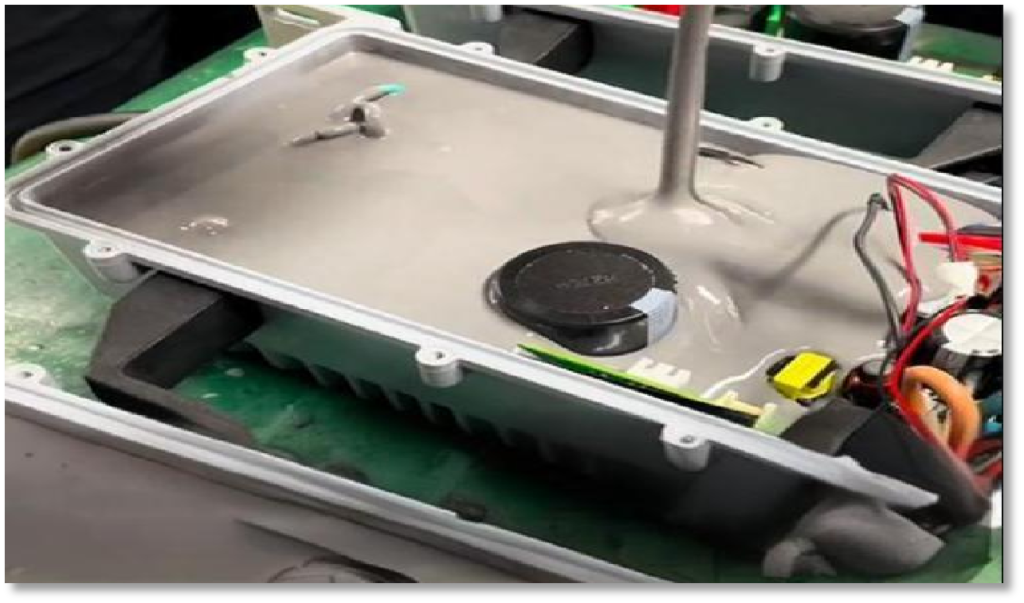
Two-component addition-curing, high-thermal-conductivity potting compound for chargers and high-power on-board modules

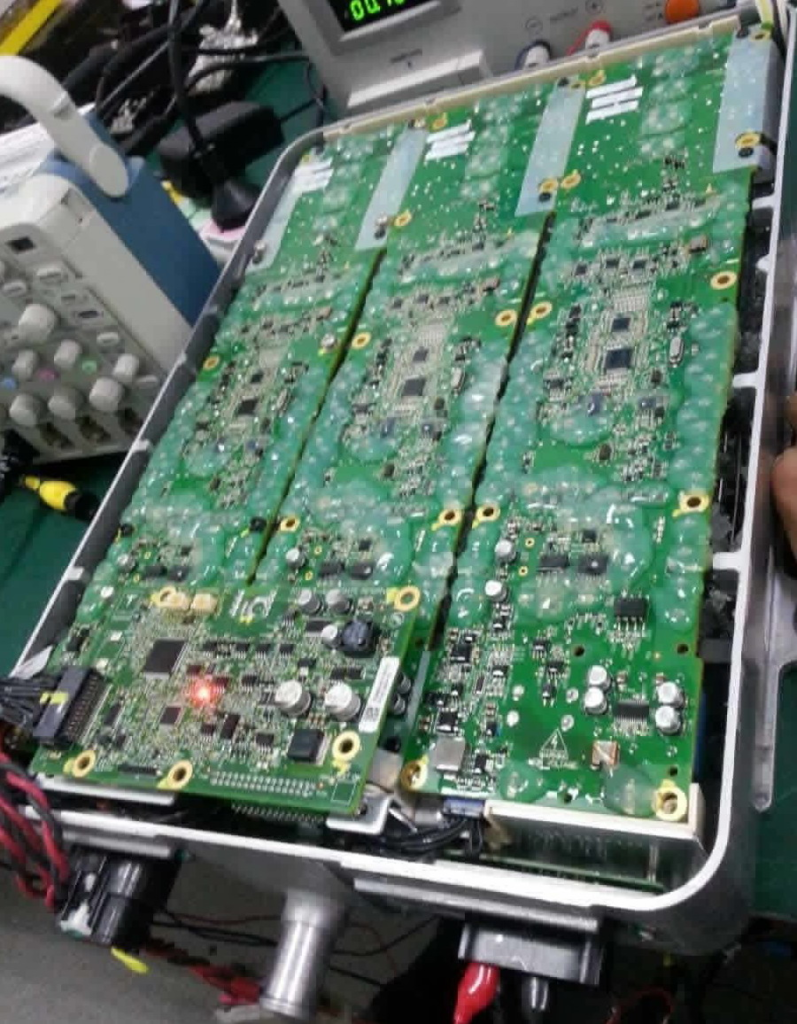
Thermal potting for automotive chargers; may also be used for thermal potting protection of high-power on-board modules and electronic components All electronic components within an on-board charger (OBC) must be encapsulated within a sealed housing to prevent environmental contamination. These high-heat-generating electronic components—such as chips and MOSFETs—must be in direct contact with the inner surface of the die-cast metal housing to ensure effective heat transfer (heat dissipation). The high thermal conductivity of the potting compound improves heat transfer by filling air gaps caused by surface irregularities on the components and heat sinks. This ensures that the heat generated by the components comes into full contact with the inner walls of the die-cast metal housing, facilitating efficient heat transfer. At the same time, the low-stress silicone elastomer effectively protects the electronic components whilst providing waterproofing and electrical insulation.

Low-stress encapsulation silicone gel

For low-stress potting of control modules such as IGBTs, ECUs and BSGs in electric vehicles. Features: 1. Once cured, the gel exhibits good adhesion and sealing performance on many substrates, and offers excellent resistance to thermal cycling, heat and mechanical shock; 2. The gel retains most of the stress-relief and self-healing properties of the liquid phase whilst maintaining the dimensional stability of an elastomer, thereby achieving ideal impact resistance and vibration damping effects; 3, The raw materials are purified using proprietary technology, resulting in characteristics such as non-corrosiveness and low molecular content; 4. The two-component mixture does not gel rapidly upon mixing, providing a suitable working time; however, it cures rapidly once heated. The curing time can be freely controlled, and no by-products are generated during curing, nor does any shrinkage occur; 5. It possesses excellent electrical insulation properties, such as high dielectric strength and volume resistivity, and is resistant to salt spray corrosion and damp heat.

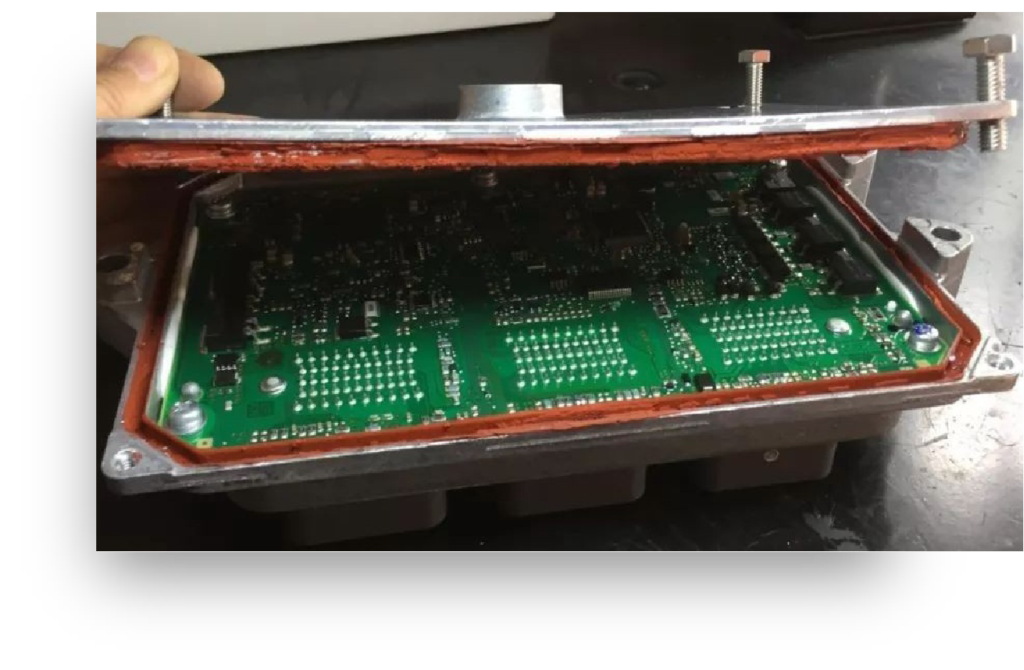
Structural adhesives for motor, inverter, IGBT, ECU and controller housings

Used for sealing and bonding the housings of motors, inverters, IGBTs, ECUs, PTCs and various in-vehicle controllers, replacing traditional sealing rings. Suitable for CIPG and FIPG processes Features: Heat-curing; excellent temperature resistance; bonds a wide range of materials, with particularly strong adhesion to metals; low odour; free from xylene and toluene, meeting VOC requirements; excellent weather resistance; moisture-proof, shock-resistant, UV-resistant and waterproof; its performance remains unaffected by adverse weather conditions. Primarily used for bonding and securing motors, inverters, PTCs and components requiring high-temperature resistance, it is also used for bonding and sealing the housings of various controllers.

High-thermal-conductivity bonding adhesive for automotive power devices

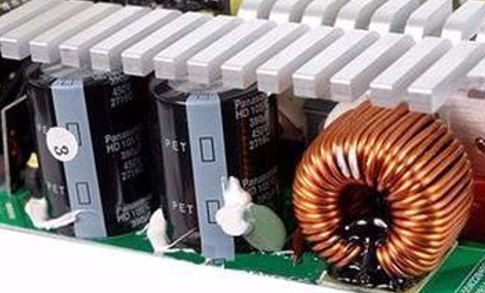
Adhesive for securing automotive electronic components

Used to bond and secure automotive electronic components, preventing them from becoming dislodged and failing during rough journeys Features: A single-component, alcohol-releasing adhesive offering resistance to tensile stress, vibration and impact, as well as excellent weather resistance, heat resistance, cold resistance and hydrophobicity. The product is characterised by low volatility, low molecular content and non-corrosiveness, and adheres well to a wide range of substrates.

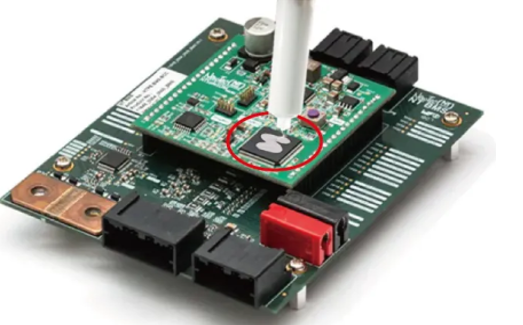
Protection of chip pins, IC pins and solder joints on integrated circuit boards

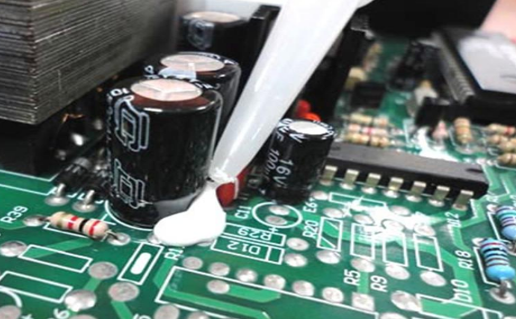
For sealing and protecting chip pins, IC pins and PCB solder joints Features: The product is non-corrosive, with controlled low ion and low molecular content; it cures rapidly at room temperature and has a semi-thixotropic, semi-flowing consistency. After application, the adhesive spreads to encapsulate the pin solder joints without running. It is used to encapsulate the area around integrated circuit (IC) pins to protect the chip and provide reinforcement, thereby enhancing its shock-absorbing properties. It is also used to seal solder joints, preventing oxidation, and offers resistance to salt spray, damp heat and corrosion. The product is characterised by low ionic content, low corrosion, low volatility and high purity, and is suitable for sealing applications requiring high heat resistance and high strength.

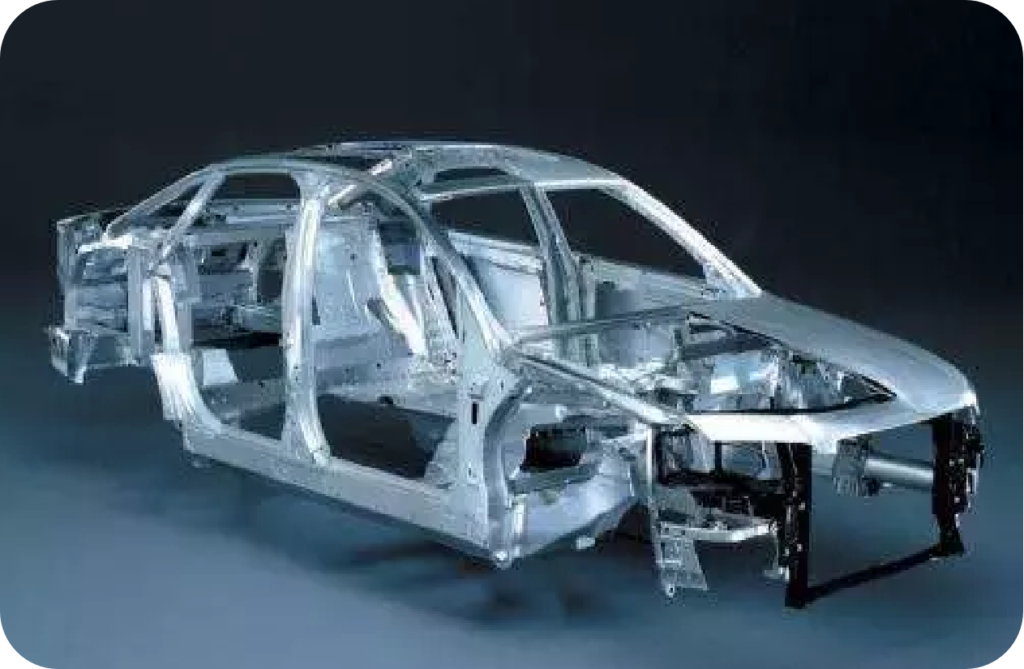
Bonding of metal body panels using structural adhesives