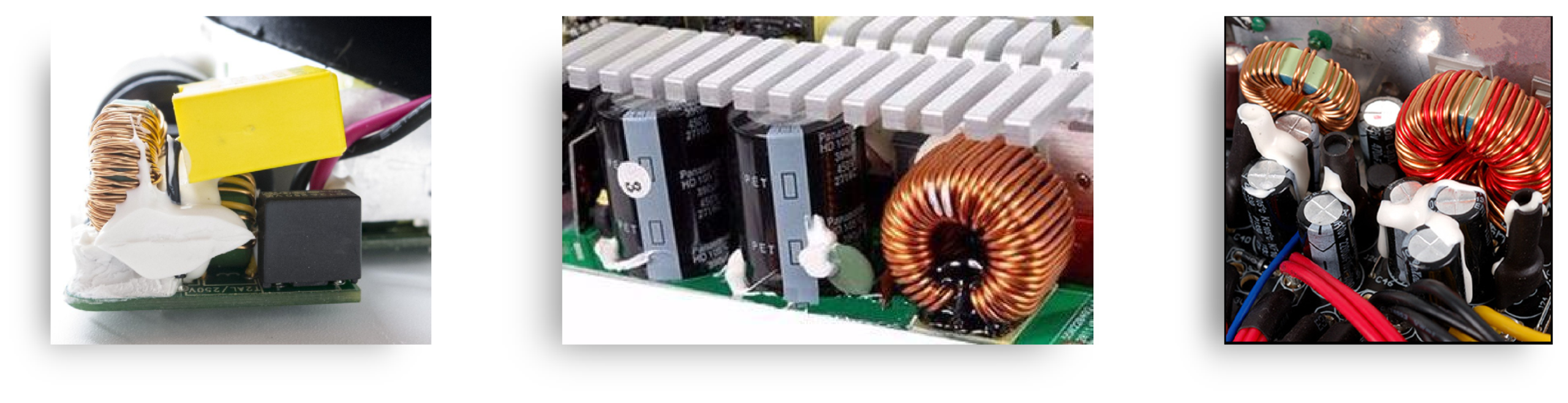
Positioning itself in the new energy sector, Bonte’s innovative adhesive materials are driving the industry’s green transition
Against the backdrop of the ‘Dual Carbon’ policy, the new energy industry is entering a period of rapid development, with the pace of technological iteration continuing to accelerate for products such as power batteries, energy storage equipment and new energy support components. As new energy equipment is subjected to working environments characterised by alternating high and low temperatures, high vibration and heavy loads over extended periods, this places extremely high demands on adhesives in terms of bonding strength, resistance to high and low temperatures, insulation and protection, waterproof sealing, flame retardancy and environmental friendliness. High-performance, safe and eco-friendly adhesive materials have thus become a crucial safeguard for the safe development of the new energy industry.