

Transformer air-gap sealant

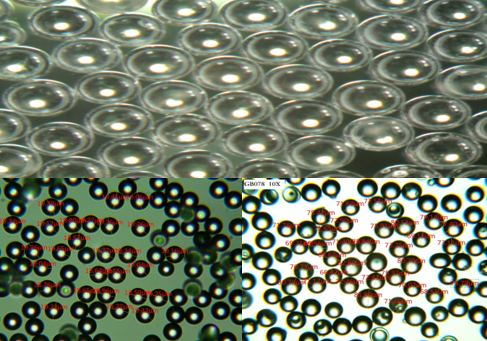
The product is primarily used for sealing, potting and bonding applications involving inductive magnetic materials, coils and similar components. By controlling the size of the spherical glass beads or plastic particles within the product, the spacing between magnetic cores can be regulated, thereby enabling high-precision control of magnetic flux in the cores.

Two-component epoxy structural adhesive

Primarily used for bonding and securing small electronic components, its excellent thixotropic properties offer advantages for reinforcement projects; it has good workability, is easy to mix and apply, and does not sag; When working on vertical or overhead surfaces, standard structural adhesives often run off the components due to gravity, not only contaminating the substrate surface but also resulting in wastage of the material; when applied to a surface, this structural adhesive’s thixotropic properties ensure it does not sag, and it develops excellent bond strength once cured.

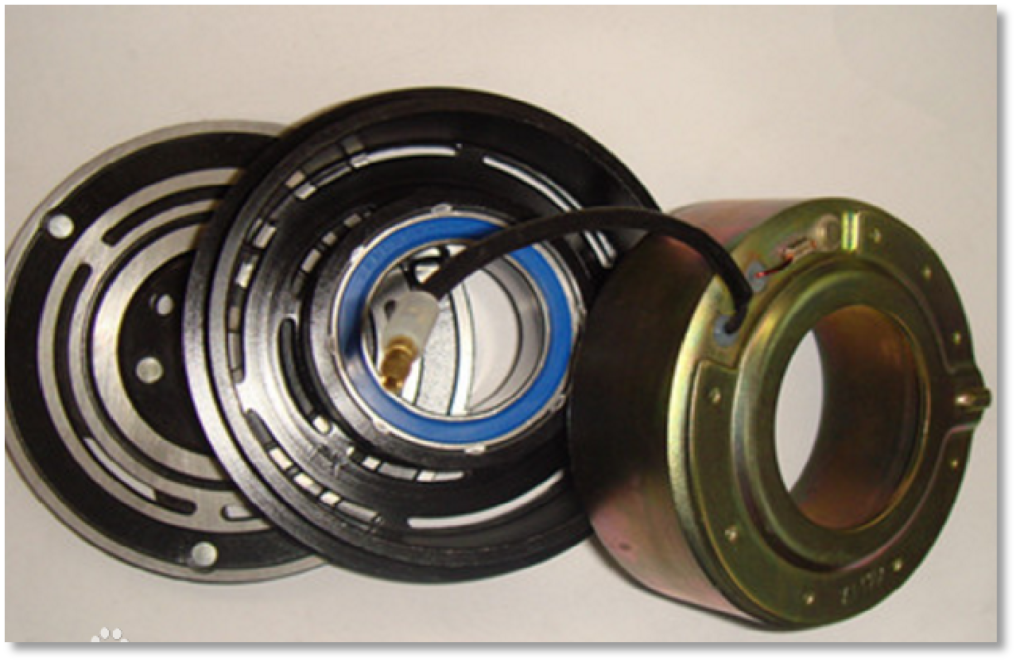
Encapsulation of air-conditioning electromagnetic clutches

The automotive air-conditioning electromagnetic clutch is a power transmission device between the vehicle’s engine and the air-conditioning compressor; the air-conditioning compressor is driven by the vehicle’s engine via the electromagnetic clutch.

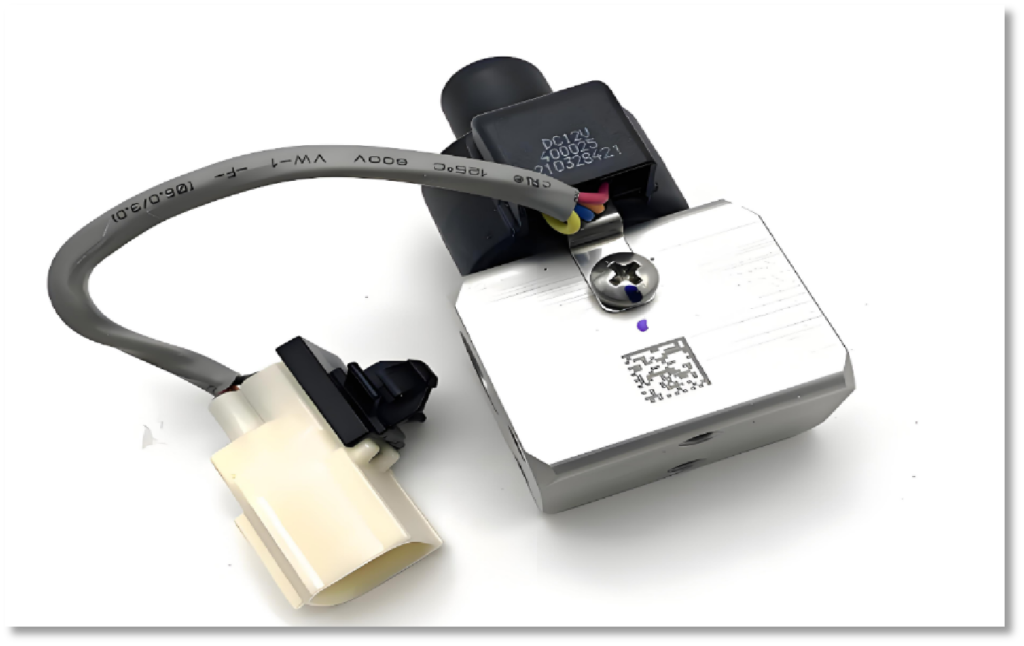
Epoxy resin for the encapsulation of electronic expansion valves

In electric vehicle thermal management systems, electronic expansion valves are primarily used in air-conditioning systems and battery thermal management systems. An electronic expansion valve consists of three components: a controller, an actuator and a sensor. As the temperature-sensing element of an electronic expansion valve is a thermocouple or a resistance temperature detector (RTD), it can accurately detect changes in superheat at low temperatures, thereby providing more precise flow regulation. At the same time, electronic expansion valves offer a wide flow control range, sensitive response, rapid actuation and precise regulation, thereby overcoming the limitations of capillary tubes and thermostatic expansion valves, which lack such调节 capabilities. They are therefore better suited to the electronic control and refined thermal management required in electric vehicles.

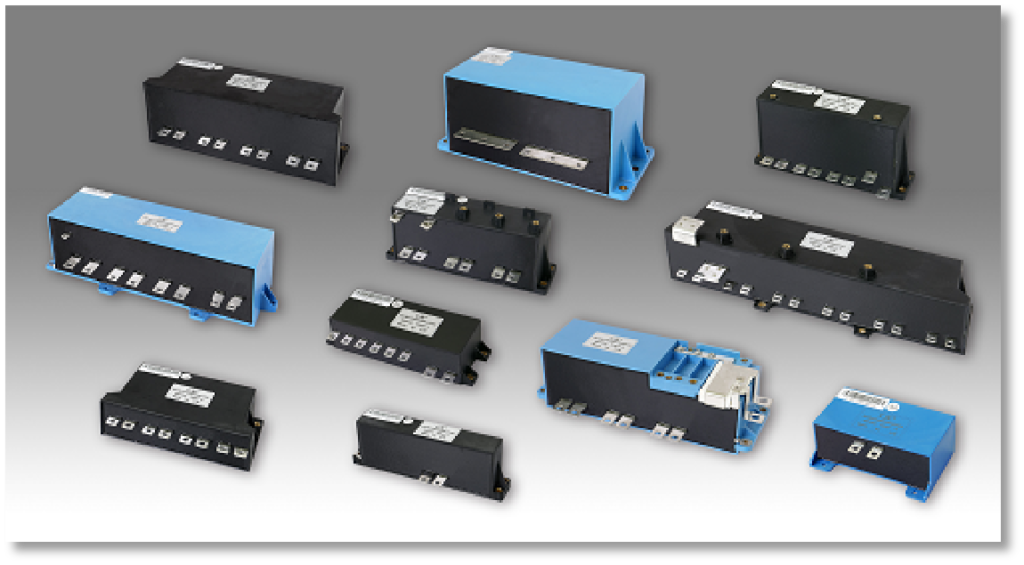
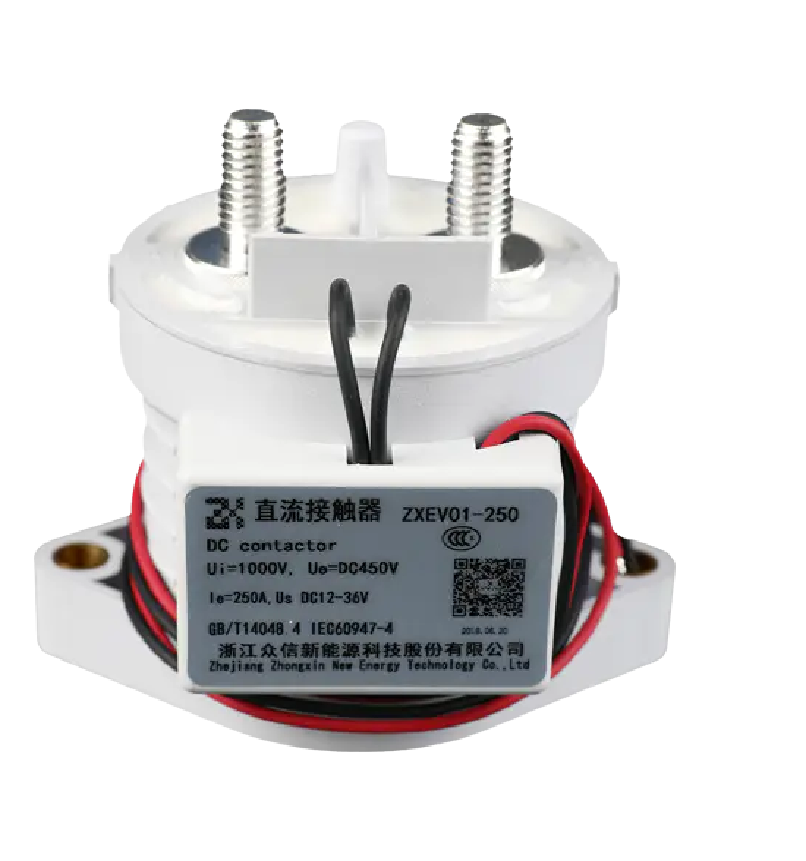
Epoxy resin for the encapsulation of DC contactors

It is primarily used for the encapsulation of epoxy-sealed, gas-insulated high-voltage DC contactors. In electric vehicle power battery systems, high-voltage DC contactors are used to control the electrical charging and discharging circuits. When the vehicle is charging, the contactor closes, allowing current to flow from the charging point into the battery; when charging is complete or an anomaly occurs, the contactor opens rapidly to ensure battery safety. In the control system for the drive motor, it enables precise control of the motor’s start, stop and speed regulation, ensuring the vehicle runs smoothly. For example, during acceleration, the contactor remains steadily closed to provide the motor with a strong current supply; during braking, the contactor opens promptly to enable energy recovery.

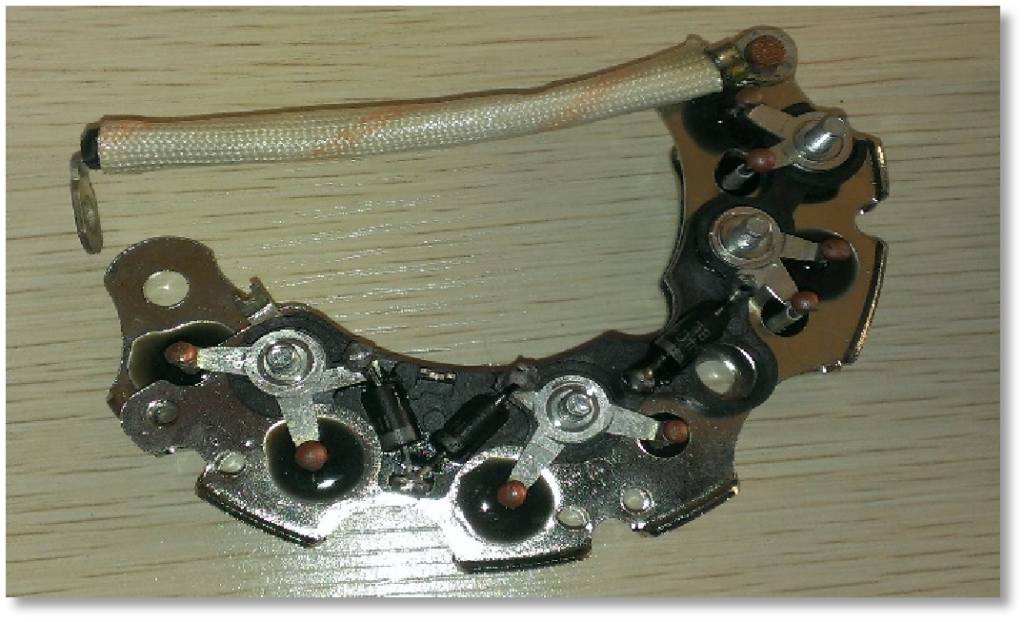
Encapsulation of automotive diodes

It is primarily used for potting rectifier diodes in automotive alternators, and is also used for potting other automotive electronic components that require high heat resistance and low thermal expansion.

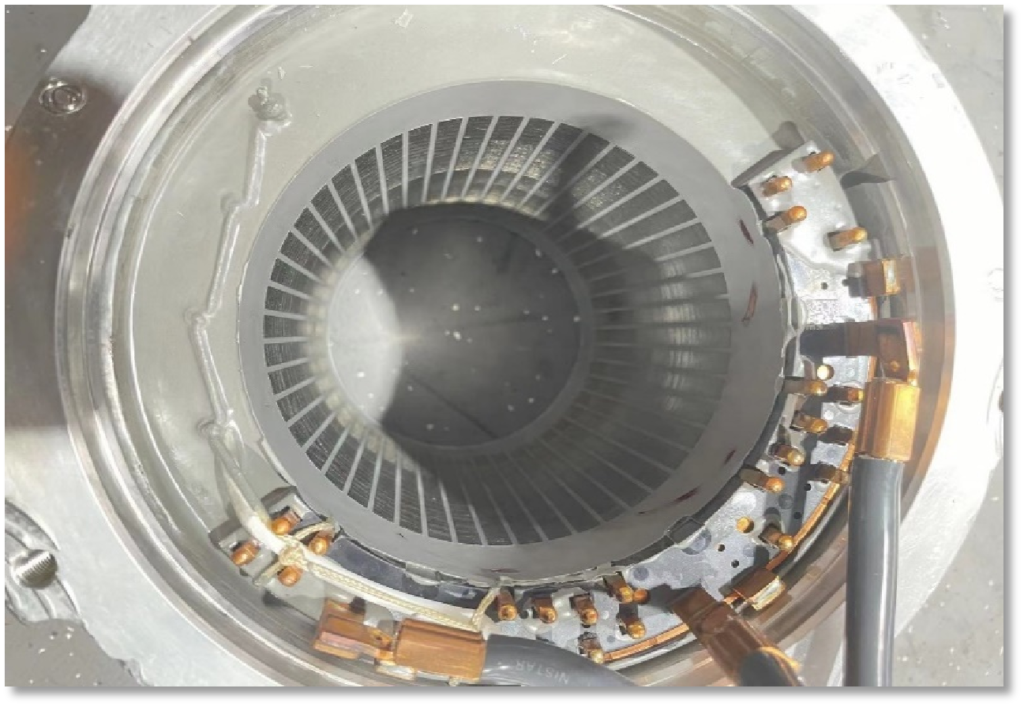
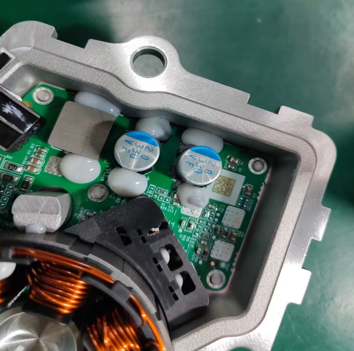
Encapsulation of drive motors

It is highly effective in facilitating heat dissipation from electronic components; its excellent electrical insulation properties and electromagnetic compatibility enable it to withstand high voltages and electromagnetic interference; it is resistant to corrosion caused by atmospheric conditions such as moisture and salt spray, and, to a certain extent, can also effectively withstand vibration and impact.

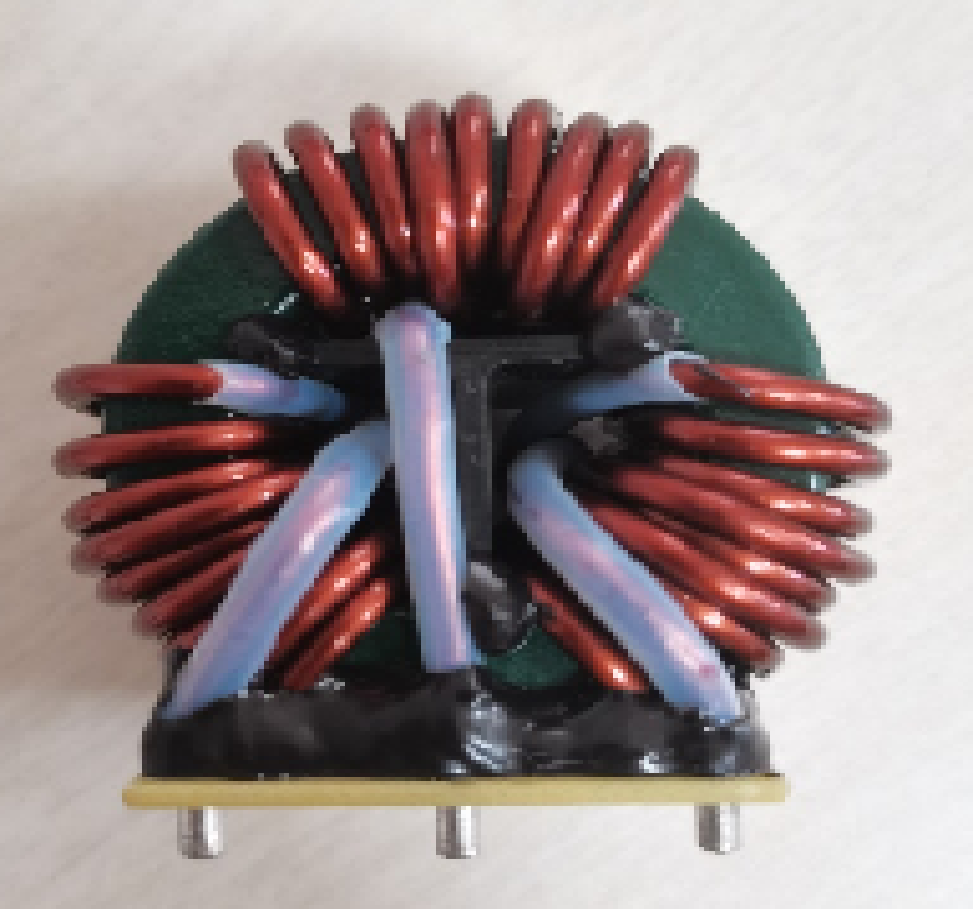
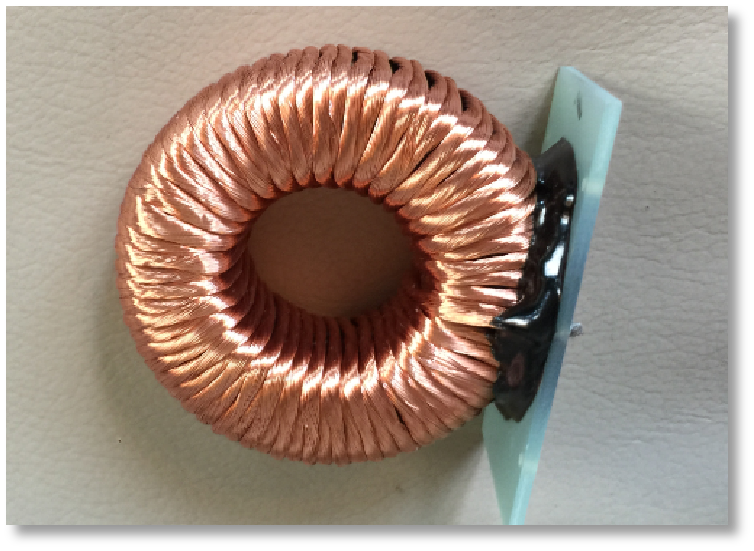
Adhesive for automotive transformer cores

Epoxy resin is used to bond and secure magnetic components; it exhibits low shrinkage (1–21 TP3T) during the curing reaction, and the cured material offers excellent adhesion to the magnetic cores, copper materials, PCBs, plastic frames and iron materials, whilst also exhibiting excellent heat resistance, chemical resistance, mechanical strength, rigidity and electrical properties.

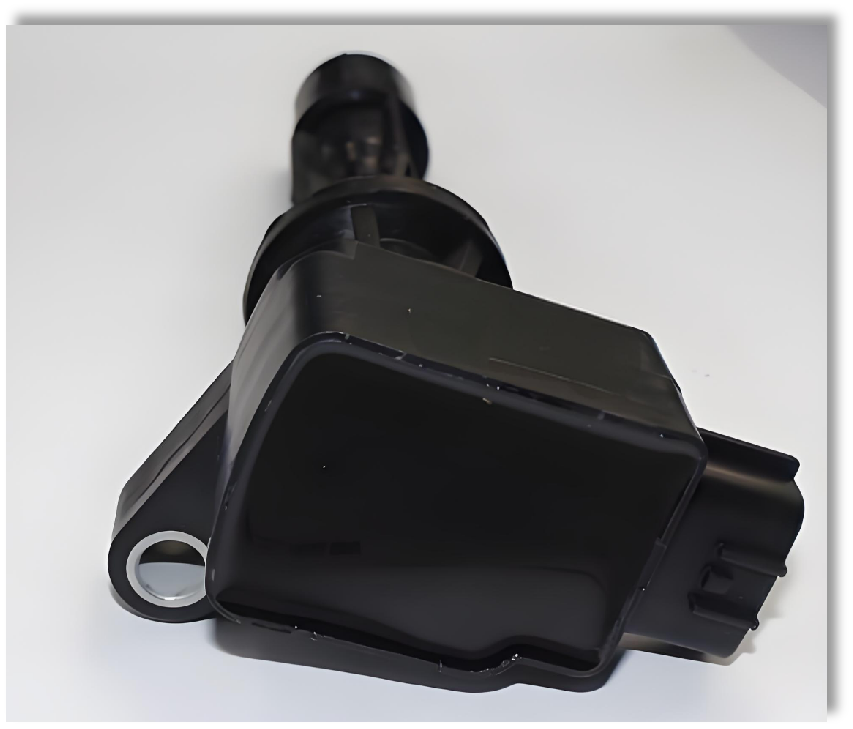
Encapsulant for automotive ignition coils

It currently holds a significant market share amongst domestic brands such as Changan Automobile, Geely Automobile and Wuling Motors, and is actively collaborating with renowned domestic and international brands including United Electronics, Diamond, Wodell, ELDOOR and Delphi (BorgWarner).

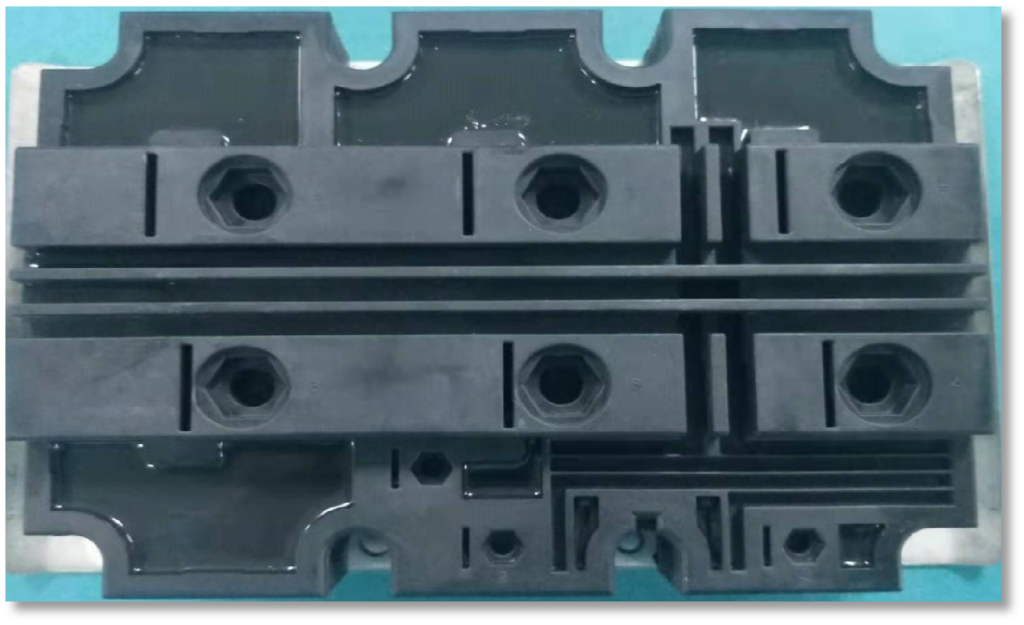
Epoxy potting compound for the encapsulation of silicon carbide devices

It is primarily used for the encapsulation of various high-power electronic components requiring resistance to high and low temperatures and to damp heat, particularly for the insulating encapsulation of power devices such as SiC chips and IPMs, serving as a substitute for similar domestic products.

Low shrinkage, high glass transition temperature and an extremely low coefficient of linear expansion.

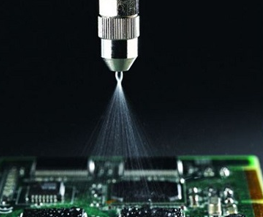
Three-proof Coating for Printed Circuit Boards

As vehicles operate in harsh environments, a layer of protective triple-proof coating is applied to the circuit boards to prevent damage from moisture and mould. Once fully cured, this forms a protective film that provides protection against moisture, water, corrosion and salt spray.

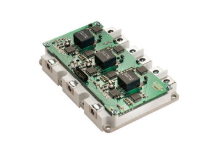
Thermal grease for IGBTs and power modules

For heat transfer in electric vehicle controllers and power modules.

As the level of intelligence in new energy vehicles increases, controllers are required to offer high power output, rapid heat dissipation, a small footprint and a compact design; consequently, thermal management has become a key consideration in ensuring the operational efficiency of the controller’s electronic components. Applying thermal grease ensures that the temperature remains consistent across components, preventing significant temperature differentials. This extends the service life of these components and enables the heat generated during operation to be rapidly dissipated. Thermal grease can withstand high voltages and penetration by metal parts, thereby preventing short circuits in electronic circuits. It has the advantages of being non-curing and non-conductive, and is applied to the gap between the heat source and the heat sink to displace the air within that space.

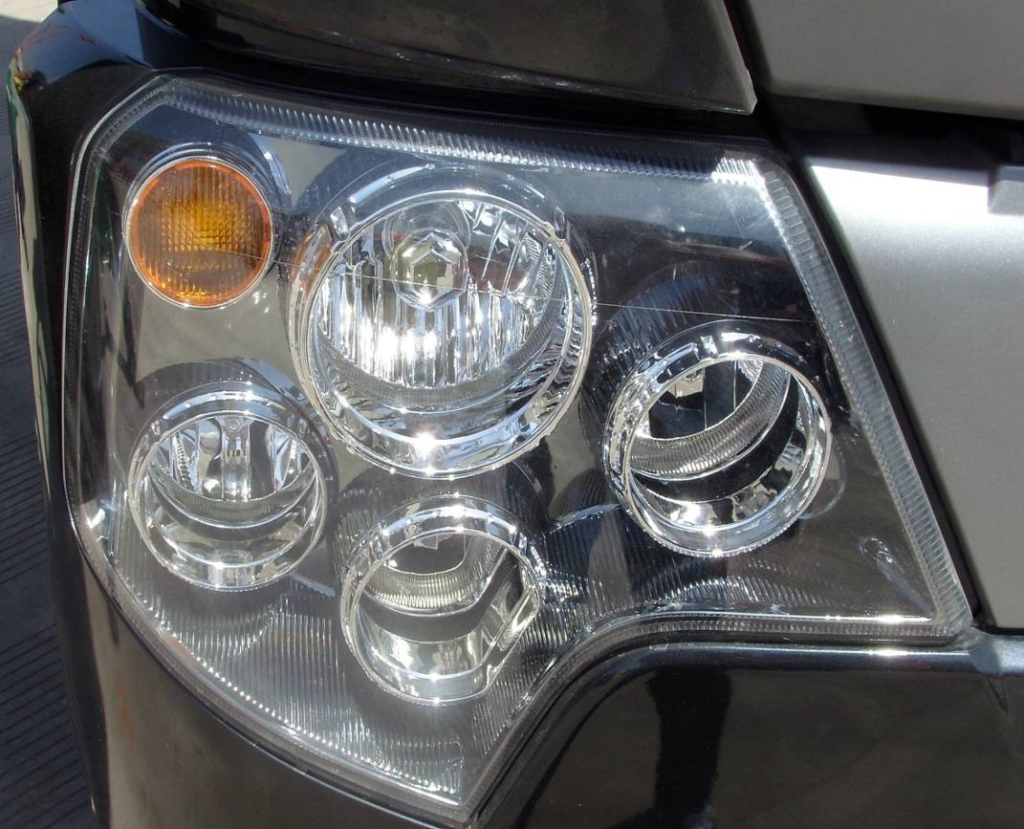
Headlight sealant

For bonding and sealing in car headlights, main beams, tail lights, etc.

Features: 1. Resistance to high and low temperatures: the adhesive maintains flexibility at low temperatures and remains undamaged at high temperatures during long-term use in varying environmental conditions; 2. Shock and fatigue resistance: it possesses excellent shock and fatigue resistance to ensure the stability and safety of vehicle headlamp applications; 3. Low volatilisation value: the raw material is purified to remove low-molecular-weight compounds, ensuring the adhesive has an extremely low volatile content even when the headlamp is exposed to high temperatures; 4. Excellent UV resistance, water resistance and bonding stability; superior adhesion ensures the headlamp maintains good airtightness and watertightness.